
In the heart of Zimbabwe’s wilderness, a seasoned trophy hunter aimed with his .450-calibre rifle, shooting an elephant in the heart.
The massive six-ton animal collapsed immediately, much to the relief of Sandawana villagers, who had spent weeks fearing the elephant raiding their maize fields.
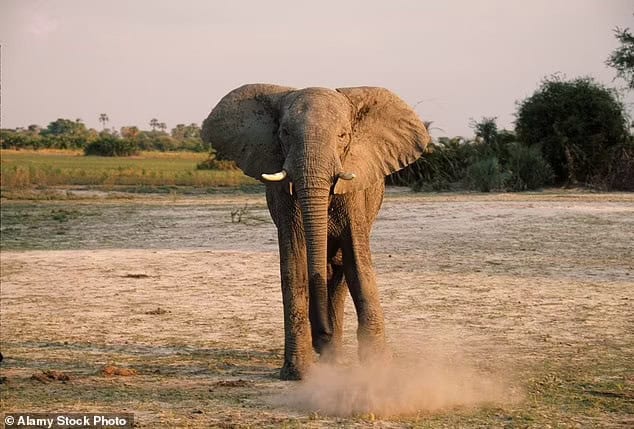
The elephant’s death was a blessing for the people of this rural Zimbabwean village. Despite their efforts, they had been unable to scare the elephant away, including banging pans and lighting lamps.
But the animal, undeterred, had continued its raids, drawn to the crops that feed the community of 700 during the dry months.

After the elephant was shot, its tusks were removed for the Hungarian hunter, who had paid tens of thousands of dollars for the opportunity.
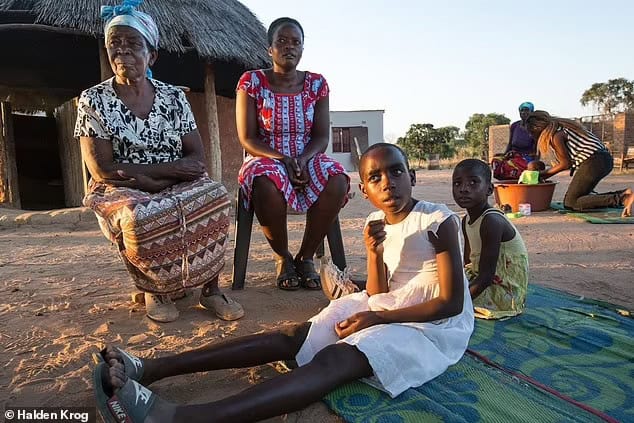
The elephant’s body was delivered to the villagers, who eagerly butchered it, enjoying their first meat-based meal in weeks.
“The elephant is dead, and we’ve eaten it. We are happy,” said one elderly woman, surrounded by local children.
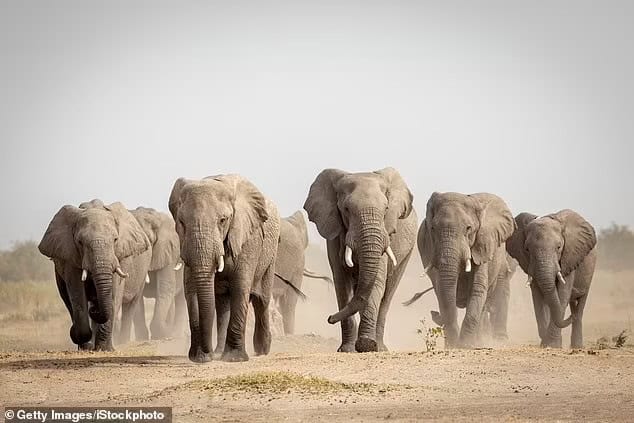
While the idea of wealthy hunters shooting wildlife for trophies may alarm many in the UK, for Zimbabweans, this practice is a vital source of income and safety. The hunting season provides much-needed funds and helps control the population of dangerous animals.
Just days before the Sandawana elephant was shot, UK lawmakers passed a bill that would ban the import of hunting trophies.
This legislation, set for debate in the House of Lords, has sparked a heated conversation in Africa.
Zimbabwe and Botswana, home to around 220,000 elephants, stand to lose significant revenue if the ban goes into effect.
For many Africans, the bill represents a deeper issue: the West dictating how they manage their wildlife.
Critics argue that British politicians, sitting comfortably in offices far from the realities of rural Africa, fail to understand the complexities of living alongside dangerous animals.
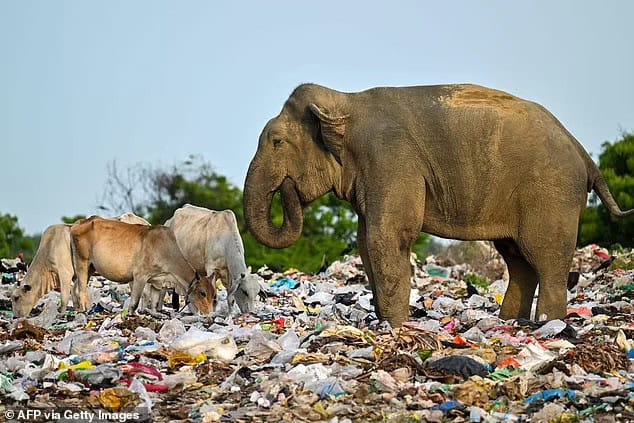
“We don’t tell Britain how to manage its wildlife,” said Dr. Emmanuel Fundira, president of the Safari Operators Association of Zimbabwe. “Without trophies, fewer hunters will come to Africa.”
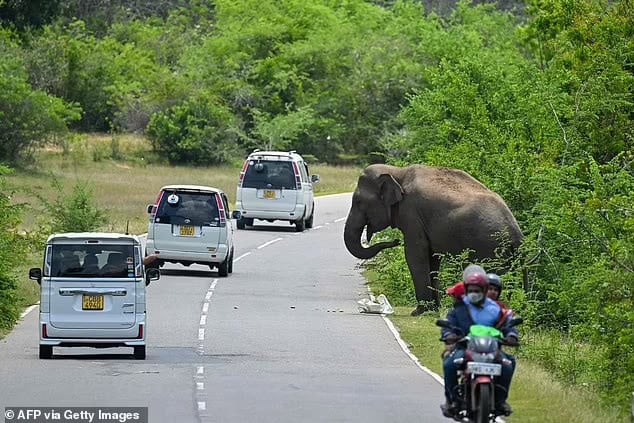
Dr. Fundira emphasized that Zimbabwe alone has 90,000 elephants, but hunters can only shoot 500 a year, focusing mainly on older animals. Yet the elephants pose a daily threat to villagers, who constantly fear attacks.
One of the loudest voices against the trophy import ban was the late Charles Jonga, head of Zimbabwe’s Communal Areas Management Programme For Indigenous Resources (CAMPFIRE).
He highlighted that the funds generated from trophy hunts are crucial for local communities and serve as an alternative to more harmful methods of controlling animal populations, such as poisoning. CAMPFIRE also provides an emergency response team to handle rogue elephants.
“Trophy hunting is labeled ‘barbaric’ by the British, but they forget about their own hunting practices, like shooting stags in Scotland,” Jonga said. “We need trophy hunting to manage our wildlife and protect our people.”
Opponents of trophy hunting, including conservation organizations like the Born Free Foundation, argue that it is unethical to kill animals for sport. The foundation also disputes claims that rural communities benefit from trophy hunting.
However, on the ground in Zimbabwe, locals tell a different story. In the council chamber of Tsholotsho, a region neighboring Hwange National Park, villagers gathered to express their support for hunting.
“When we asked if trophy hunting was beneficial, everyone raised their hand,” said a local official. The community uses funds from hunting to build schools, such as a new primary school constructed with money from elephant hunts.
Villagers like Laizah Mpofu, 71, remember when elephants were fewer and posed no threat. “Now they destroy our crops, and we live in danger every day,” she said.
In another village, 45-year-old Eliot Siyanyanga was trampled by a rogue elephant while walking home from the shops.
Despite managing to escape, his injuries were so severe that he eventually died after struggling to receive adequate medical care.
His two daughters, Shalom and Althia, are now orphaned, their school fees unpaid, and their future uncertain.
For communities like these, the debate around trophy hunting is not just about ethics; it’s about survival.
While Western conservationists push for an end to hunting, Zimbabweans are left grappling with the daily threat of dangerous animals and the loss of income from hunting tourism.
As lawmakers in the UK prepare to vote on the future of trophy hunting imports, Zimbabweans ask: who should decide the future of Africa’s wildlife — those who live alongside it or those watching from afar?
Read more Elephant News.


