In a coordinated effort led by the Kenya Wildlife Service (KWS), Mara Elephant Project, and Serengeti National Reserve Management, a grand bull elephant named Mytene recently underwent a sophisticated operation involving immobilization and the removal of his aging tracking collar.
This collaborative initiative aimed to replace the expiring device while still being able to track his movements.
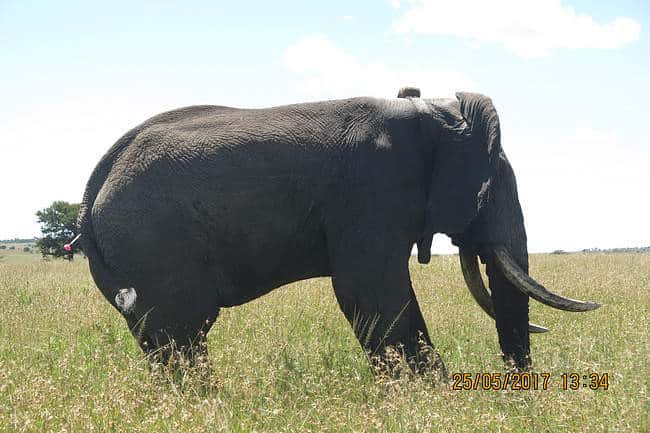
Mytene, initially collared in 2013 for monitoring purposes, had been roaming the Masai Mara National Reserve and Serengeti National Park.
To ensure the continuity of monitoring, the team utilized a 17mg Etorphine hydrochloride dart delivered from a vehicle for immobilization.
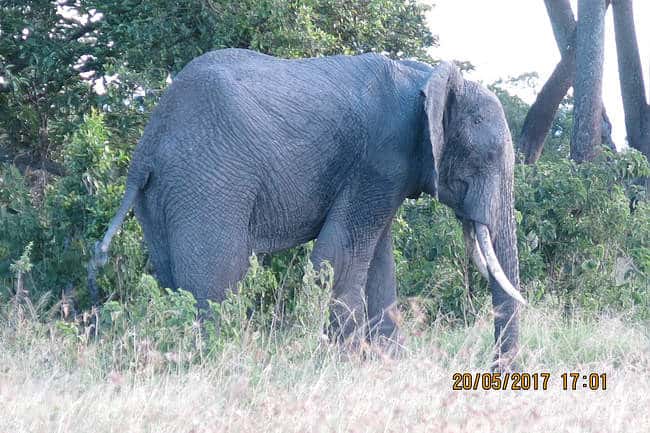
Within 14 minutes, Mytene assumed a sternal recumbency posture, ensuring his safety and comfort during the procedure.
The veterinary team skillfully replaced the outdated collar with a state-of-the-art SAT/GSM collar for ongoing monitoring.
Additionally, morphometric measurements and samples were collected for comprehensive research and disease surveillance, contributing to a deeper understanding of Mytene’s health.
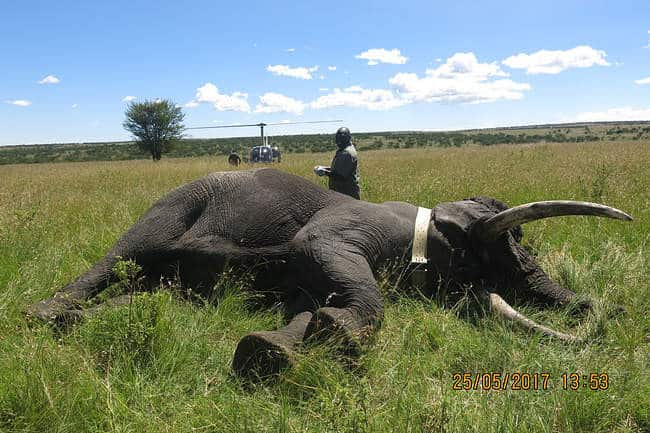
A thorough examination conducted during the operation revealed that Mytene was in excellent condition and free from injuries.
The final phase involved the reversal of anesthesia, achieved with the administration of 200mg Naltrexone through a prominent ear vein.
Astonishingly, Mytene regained consciousness in just three minutes, rejoining his herd in the expansive landscapes of the Serengeti National Park.
This operation is a testament to the unwavering commitment to wildlife conservation, ensuring these magnificent creatures’ well-being and continuous monitoring in their natural habitat.
Read more Elephant News.


