
The Chevrolet Corvette holds an esteemed place in the history of automobiles, revered for its legacy of performance and design.
Emerging in 1953 as America’s response to European sports cars, the Corvette steadily evolved into an emblem of American automotive ingenuity.
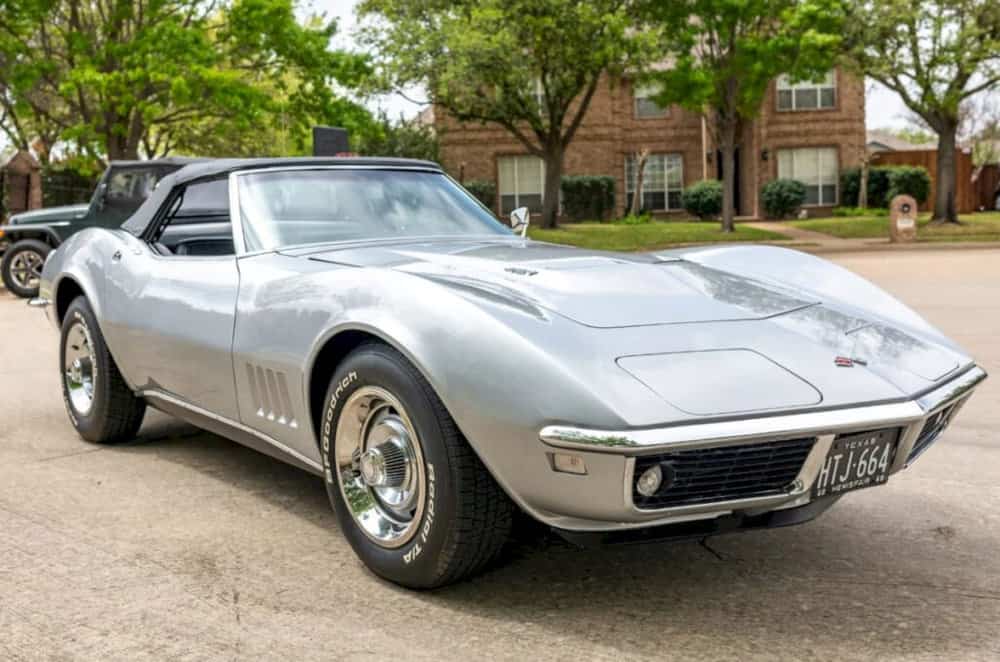
Let’s embark on a captivating journey back to 1968, a year of significance in the Corvette’s saga, and delve into the intricacies of the 1968 Chevrolet Corvette.
The Legacy of Corvette
Before we delve into the specifics of the 1968 model, it’s crucial to grasp the broader context of the Corvette’s heritage.
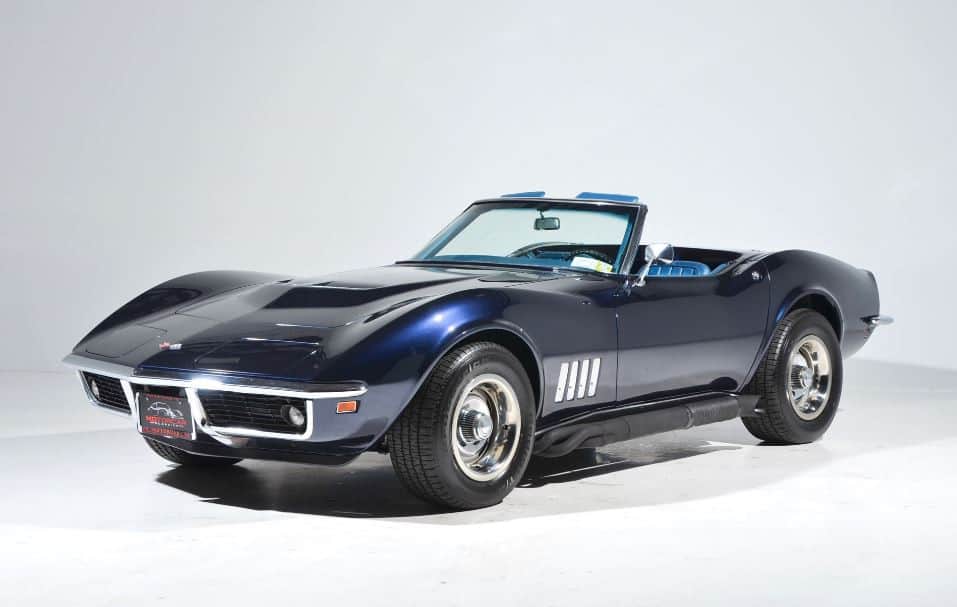
Since its inception, the Corvette has been Chevrolet’s premier sports car, consistently pushing the boundaries of American automotive excellence. By 1968, it had firmly established itself as an epitome of speed, elegance, and innovation.
The first-generation Corvette, known as the C1, introduced the world to the Corvette’s sleek, fiberglass body and impressive performance.
The subsequent C2 generation, including the iconic Sting Ray models, further elevated the Corvette’s stature. In 1968, the third generation, the C3, came into play, marking a pivotal moment for the model.
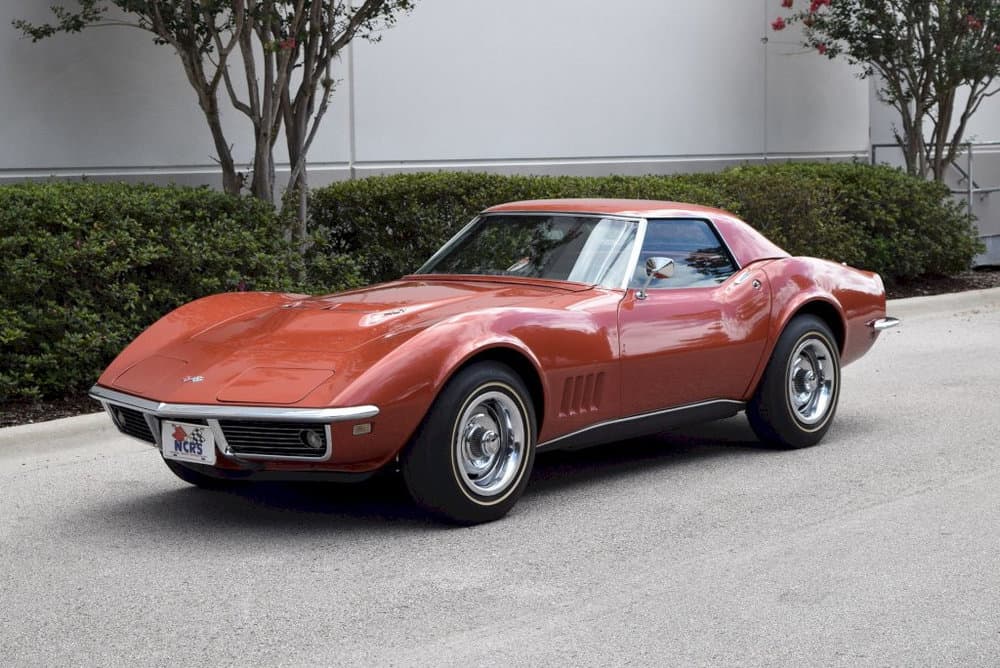
The 1968 Chevrolet Corvette: A Year of Transformation
1968 heralded a significant turning point for the Chevrolet Corvette. It marked the inception of the C3 generation, bringing a cascade of changes that would leave an indelible mark on the Corvette’s identity for years to come.
Design and Styling
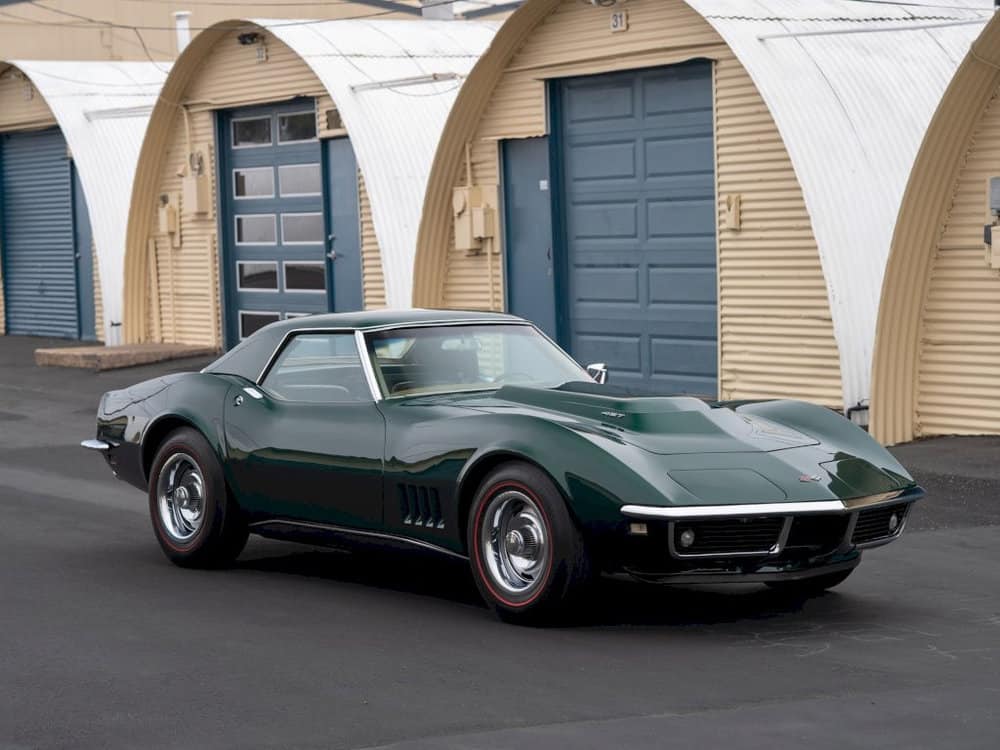
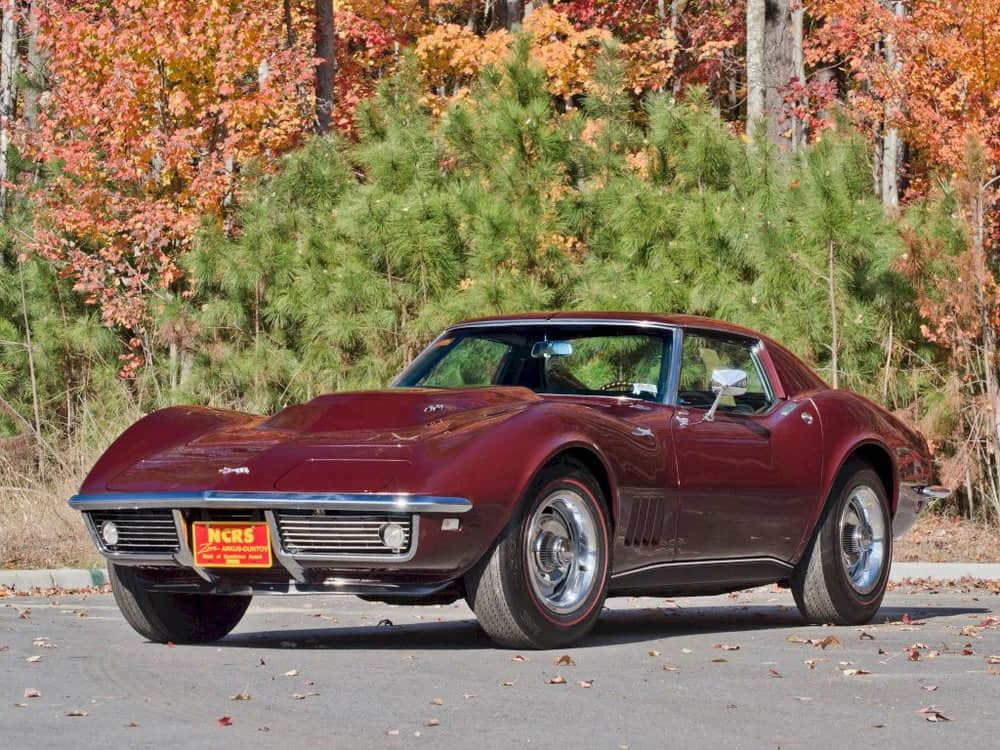
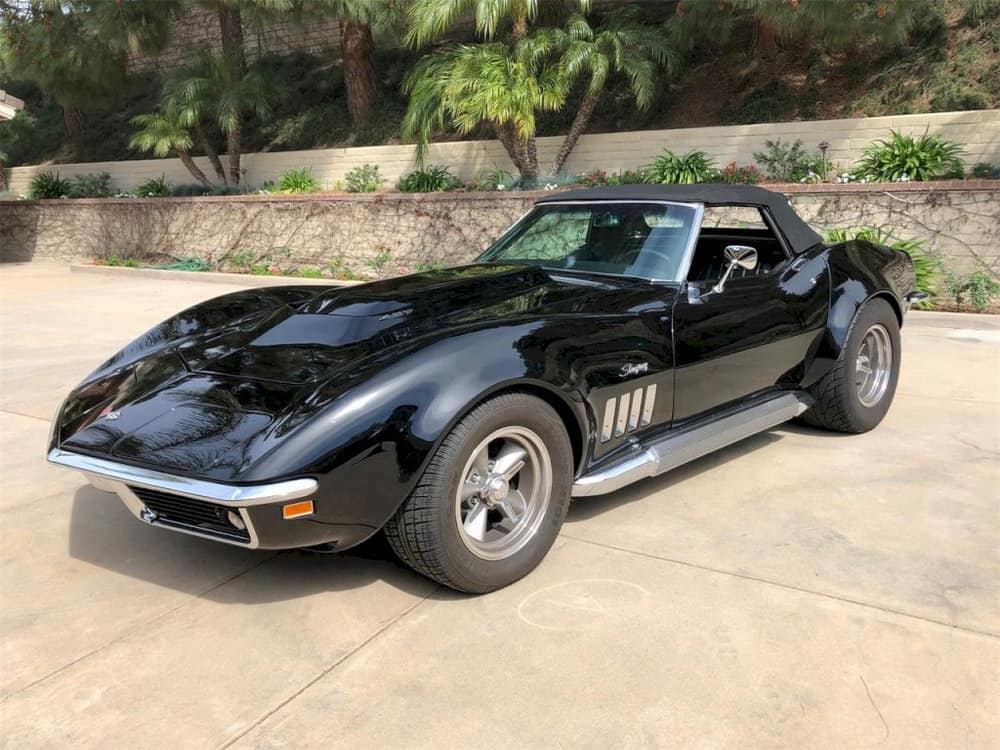
One of the most conspicuous changes in the 1968 Corvette was its revamped body. While retaining the iconic long nose and sloping rear, the C3 introduced a more curvaceous and aerodynamic profile.
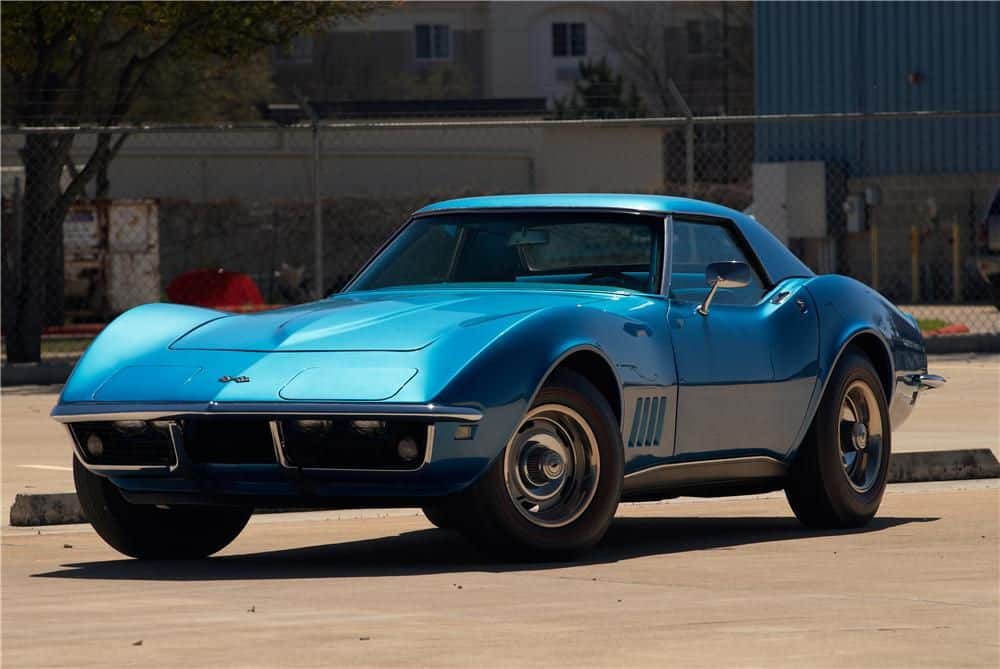
The iconic concealed headlights, debuting in the ’68 model, added a touch of sophistication to its aesthetic appeal.
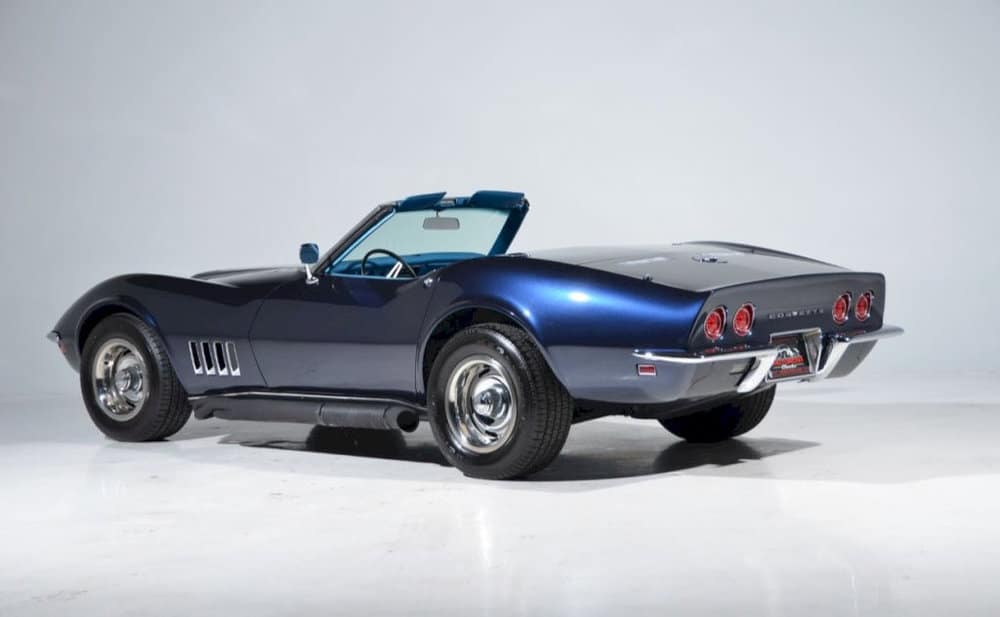
The rear featured a distinctive, tapering design with four circular taillights, a motif that endured throughout Corvette history, symbolizing power and elegance.
Engineering and Performance
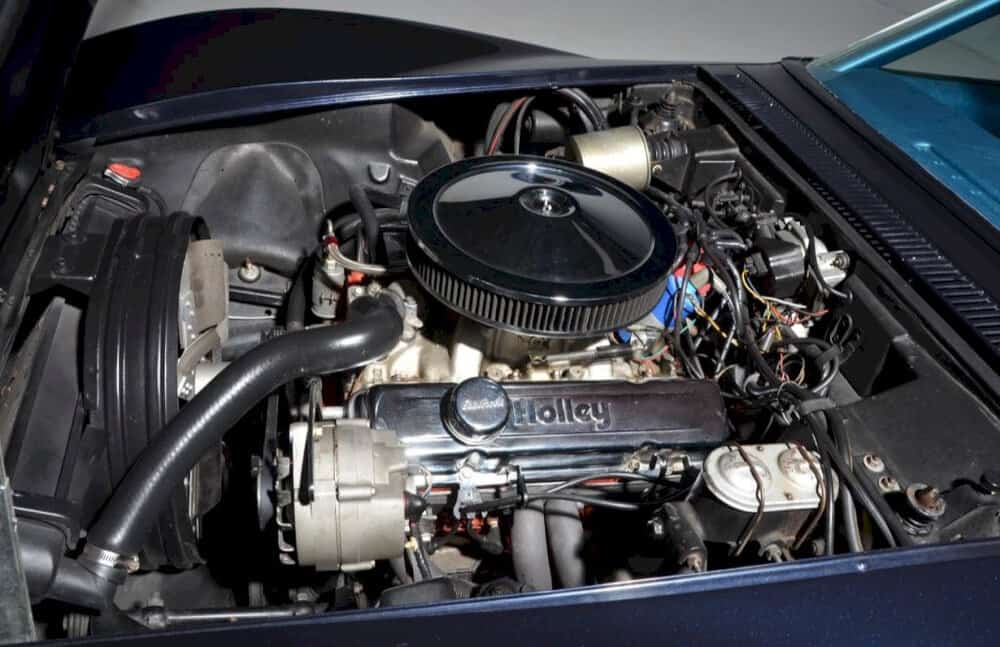
Under the hood, the 1968 Corvette offered various potent engine options to cater to diverse performance enthusiasts. The base engine was the 327 cubic inch (5.4-liter) V8, generating 300 horsepower.
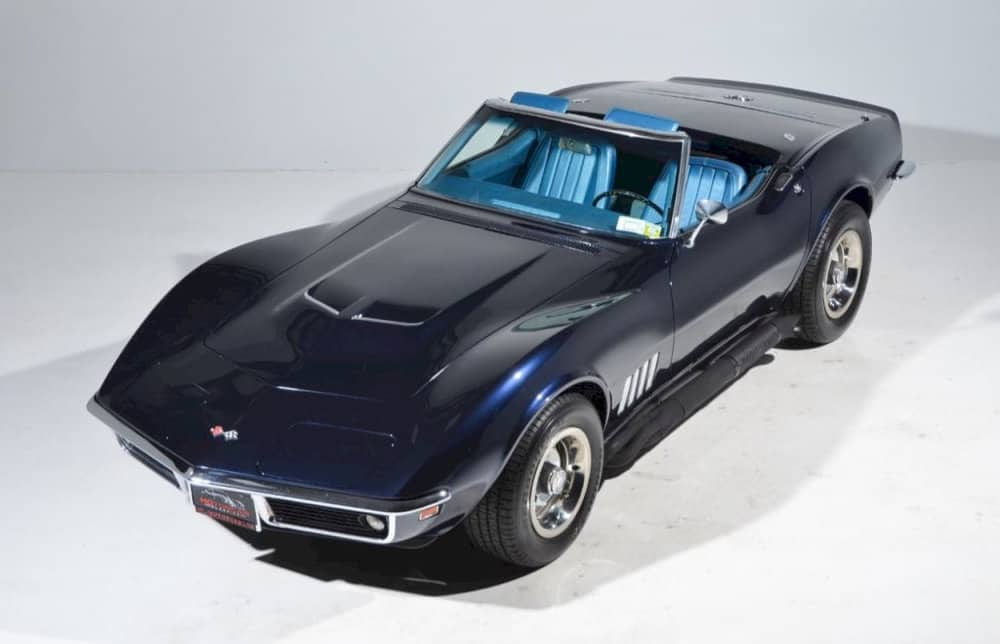
For those craving more power, Chevrolet offered the 427 cubic inch (7.0-liter) V8 in two versions: the L36, producing 390 horsepower, and the formidable L71, boasting a three-carburetor setup and a staggering 435 horsepower.
The ’68 Corvette provided the option of a four-speed manual transmission or a three-speed automatic, ensuring drivers could tailor their driving experience.
The suspension was tuned for smoother rides, enhancing comfort on long journeys while maintaining exhilarating handling.
Interior Comfort and Amenities
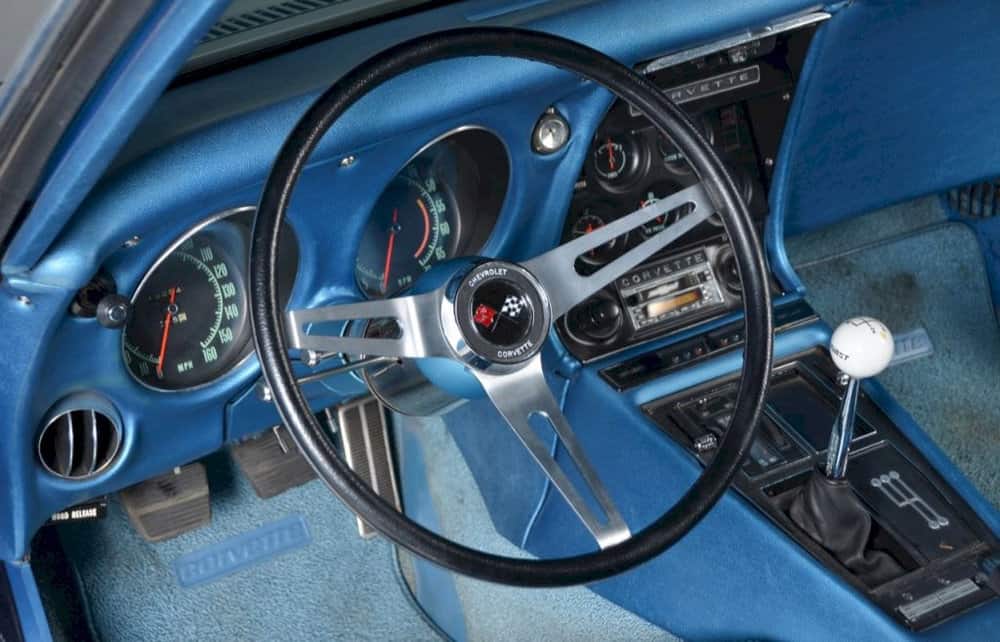
Inside, the 1968 Corvette underwent a significant transformation in comfort and amenities. The cockpit-style interior boasted more comfortable seats, improved ventilation, and a refined dashboard layout.
Features such as air conditioning, power windows, and power steering were introduced, enhancing the Corvette’s practicality and making it a more enjoyable daily driver.
The 1968 Chevrolet Corvette in Popular Culture
Beyond its technical innovations and performance prowess, the 1968 Chevrolet Corvette left an indelible mark on popular culture.
It graced the silver screen in movies like the 1969 film “The Thomas Crown Affair,” where the sleek Corvette Stingray starred alongside Steve McQueen in a high-speed chase scene, solidifying its status as a symbol of calm.
Additionally, it was mentioned in song lyrics and adorned magazine covers, and it became a collectible in die-cast model form, transcending the automotive world into mainstream consciousness.
The Enduring Legacy
While the 1968 Chevrolet Corvette was undeniably a masterpiece of its time, its legacy transcended its initial release.
The C3 generation continued to evolve throughout the 1970s, adapting to changing regulations and consumer preferences.
The Corvette’s reputation as an American sports car paragon was solidified during this era, remaining a symbol of automotive excellence amidst economic challenges and shifting market dynamics.
Conclusion
The 1968 Chevrolet Corvette epitomizes a pinnacle moment in the annals of American sports cars. It embodied innovation, performance, and style that had defined the Corvette from its inception.
The C3 generation set the stage for decades of Corvette excellence, leaving an enduring legacy that resonates in the continued production of the Corvette and the vibrant community of enthusiasts and collectors who cherish these timeless classics.
In the dynamic landscape of the automotive realm, the 1968 Chevrolet Corvette is a testament to the enduring allure of a true American icon, captivating and inspiring generations to come.
Read more Classic Cars News.