
Opinion
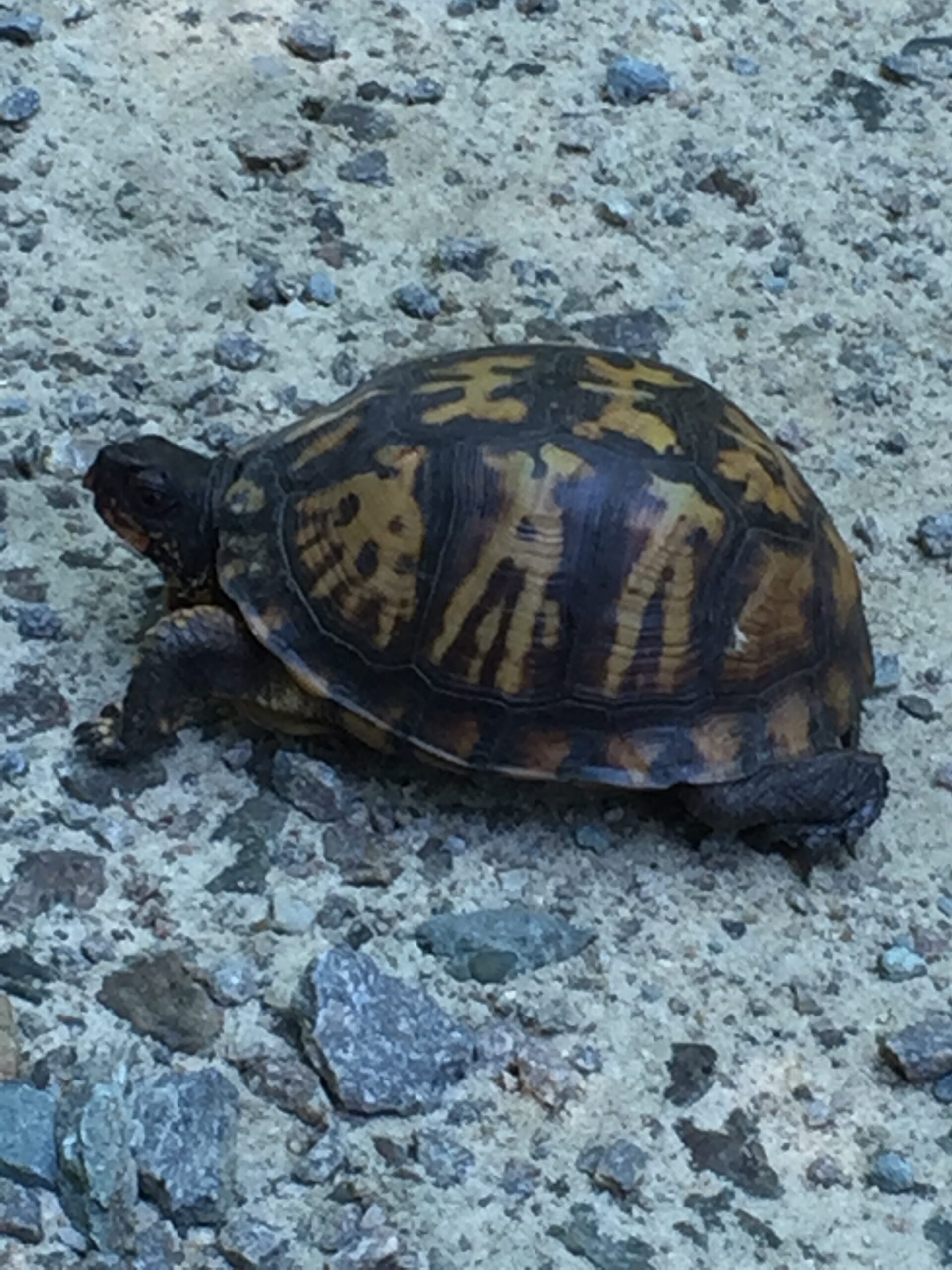
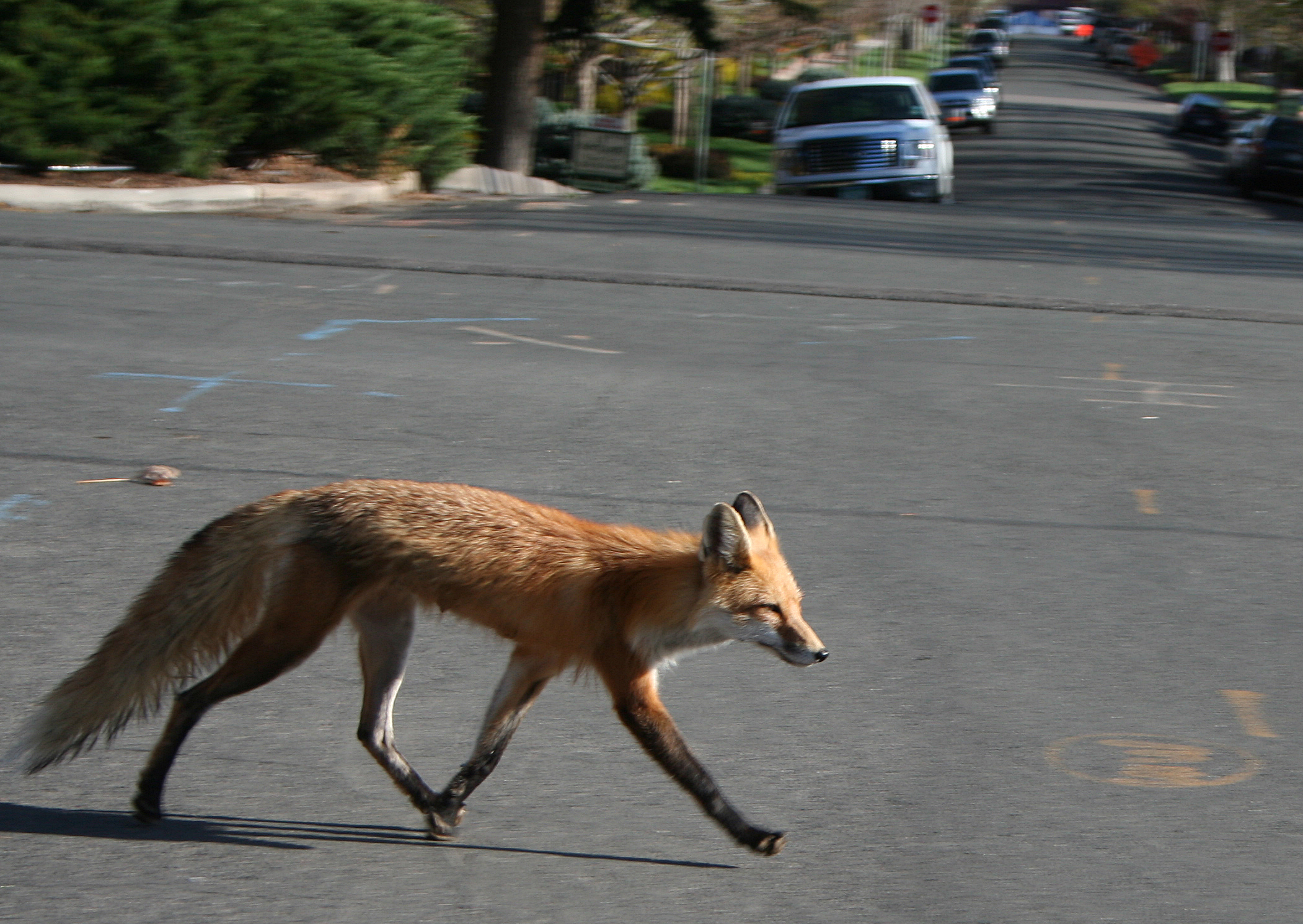
A turtle crossing the pavement is not an obstacle. A deer at the forest edge is not deliberately delaying us. A fox moving across a quiet street is not “in the way.” Each animal is responding to needs that existed long before the road did: finding food, reaching shelter, locating a mate or returning to familiar territory.
For a driver, waiting may cost only a few seconds. For the animal, those seconds can determine whether it reaches the other side alive.
Roads changed the landscape animals depend on
Wildlife does not understand property lines or road maps. Animals follow water, food, seasonal routes and inherited patterns of movement. When a road cuts through those paths, they must either attempt to cross or lose access to part of the habitat they need.
The Federal Highway Administration says roads affect wildlife through habitat loss, fragmentation, barriers to movement and direct mortality. A separate U.S. Geological Survey summary explains that species avoiding roads can become isolated, while species willing to cross face a greater risk of being killed.
This is why an animal on the pavement is not necessarily lost or confused. It may be moving between essential pieces of a habitat that human infrastructure divided.
Slowing down protects animals and people
National Park Service guidance repeatedly asks drivers to reduce speed and watch the shoulders, especially around dawn, dusk and nighttime when visibility is lower and many animals are active. Grand Teton officials note that reduced speed gives both drivers and wildlife more time to react. Theodore Roosevelt National Park also warns that when one animal crosses, others may follow.
Patience must still be paired with road safety. Do not slam on the brakes without regard for traffic behind you, step into a busy lane or stop where approaching drivers cannot see your vehicle. Reduce speed smoothly, use hazard lights when appropriate and pull over only where it is legal and safe.
Helping a turtle requires care, not relocation
Slow-moving turtles are especially vulnerable, but helping one should never mean creating another hazard. The U.S. Fish and Wildlife Service advises people to consider their own safety first. Sometimes the safest help is simply guarding the crossing from a secure position while the turtle continues on its own.
If a turtle genuinely must be moved and traffic conditions make it safe to help, officials advise placing it on the other side in the same direction it was already traveling. Do not relocate it somewhere else, and never lift a turtle by its tail. Snapping turtles and injured wildlife can require trained assistance.
Large animals call for even more distance. A deer, elk or other frightened animal may change direction without warning. Stay inside the vehicle, do not honk or drive aggressively toward it, and allow it room to leave the roadway.
Compassion on the road is not dramatic. Most of the time, no one sees it. It is a quiet decision to lift a foot from the accelerator, pay attention and accept a brief delay because another life matters.
We may have built the road, but we are not the only ones trying to get home.
Sources
- Federal Highway Administration: Wildlife populations and road corridors
- U.S. Geological Survey: Paved roadways can disrupt small-wildlife movement
- National Park Service: Slow down on park roads
- U.S. Fish and Wildlife Service: Sharing the road with wildlife
