
Florida panthers are not legal game animals. They are protected under both Florida law and the federal Endangered Species Act, and intentionally killing one can expose a person to serious state and federal criminal consequences.
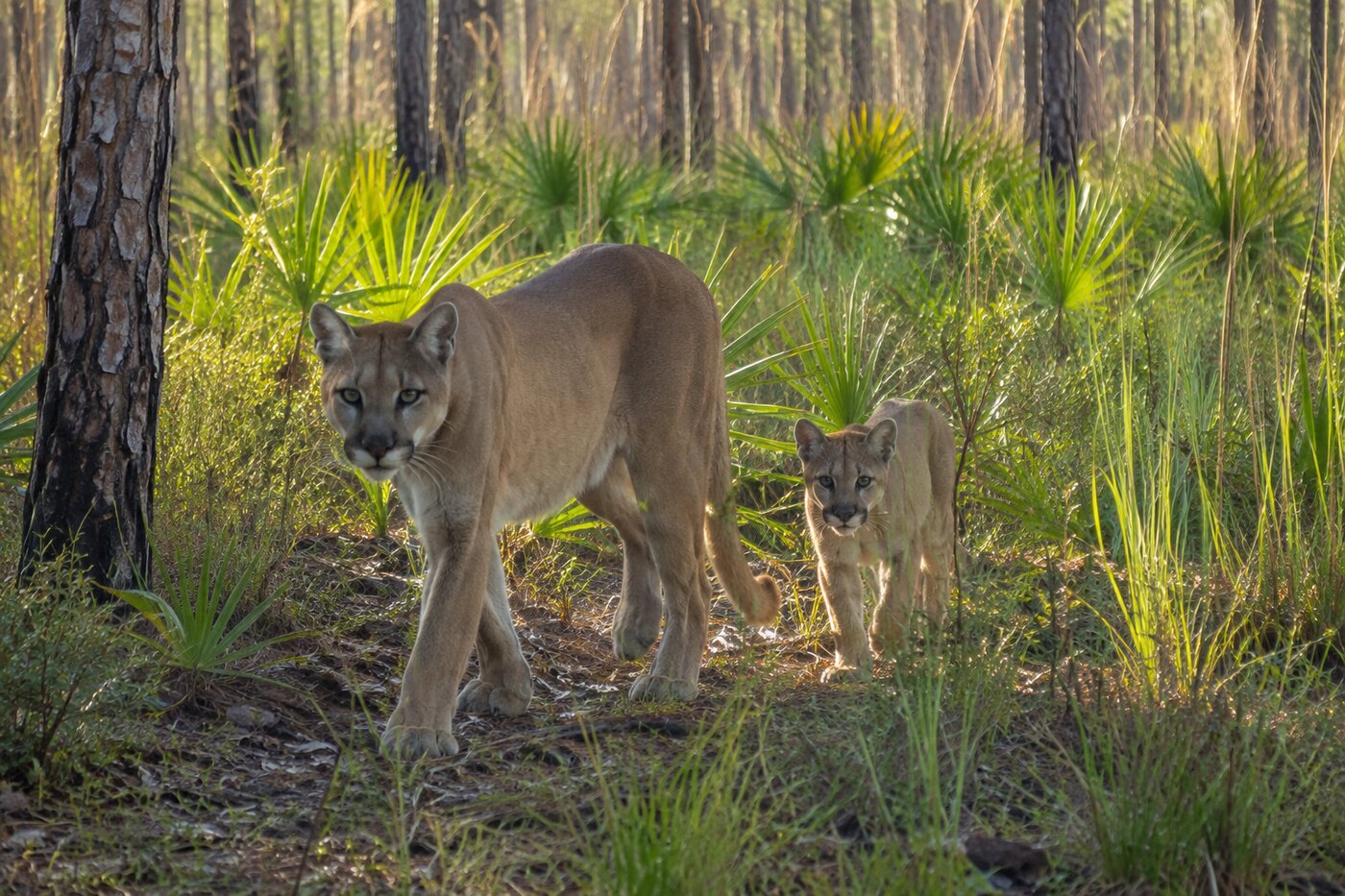
The protection is vital because the wild population remains exceptionally small. The Florida Fish and Wildlife Conservation Commission currently estimates that only about 120–230 adult and yearling panthers remain, with the core population concentrated south of Lake Okeechobee.
That represents an important recovery from the late 1980s and early 1990s, when state research indicated that only 20–30 panthers probably remained in the wild. It is still a population small enough that the loss of individual breeding animals matters.
What state and federal law prohibit
Florida Statute 379.4115 makes it unlawful to kill a Florida or wild panther. Under the state’s current penalty structure, violating that provision is classified as a Level Four violation and a third-degree felony.
Federal protection reaches beyond the act of killing. The Endangered Species Act generally prohibits the unauthorized “take” of endangered wildlife. That legal term includes actions such as harassing, pursuing, hunting, shooting, wounding, killing, trapping, capturing or collecting an animal, as well as attempting those acts.
Under 16 U.S.C. § 1540, a person convicted of knowingly violating specified provisions of the Endangered Species Act can be fined up to $50,000, imprisoned for up to one year, or both. Those figures are statutory maximums, not automatic sentences, and the outcome of any case depends on the facts, charges and court proceedings.
The law also recognizes limited exceptions, including authorized conservation activities and actions based on a good-faith belief that they were necessary to protect a person from bodily harm. Florida wildlife officials nevertheless advise that panthers are endangered and may not be harmed or harassed.
Roads remain an immediate danger
Illegal killing is not the only threat confronting the species. Habitat loss and fragmentation force panthers to navigate a landscape increasingly divided by roads and development.
Vehicle collisions and conflict between panthers are the two most common documented causes of death, according to FWC. Since 2000, the annual number of recorded panther road deaths has ranged from six to 34.
The agency’s Panther Pulse recorded 11 deaths in 2026 through July 1. Every one was attributed to a vehicle collision. The animals ranged from a two- to three-month-old male kitten to adults several years old.
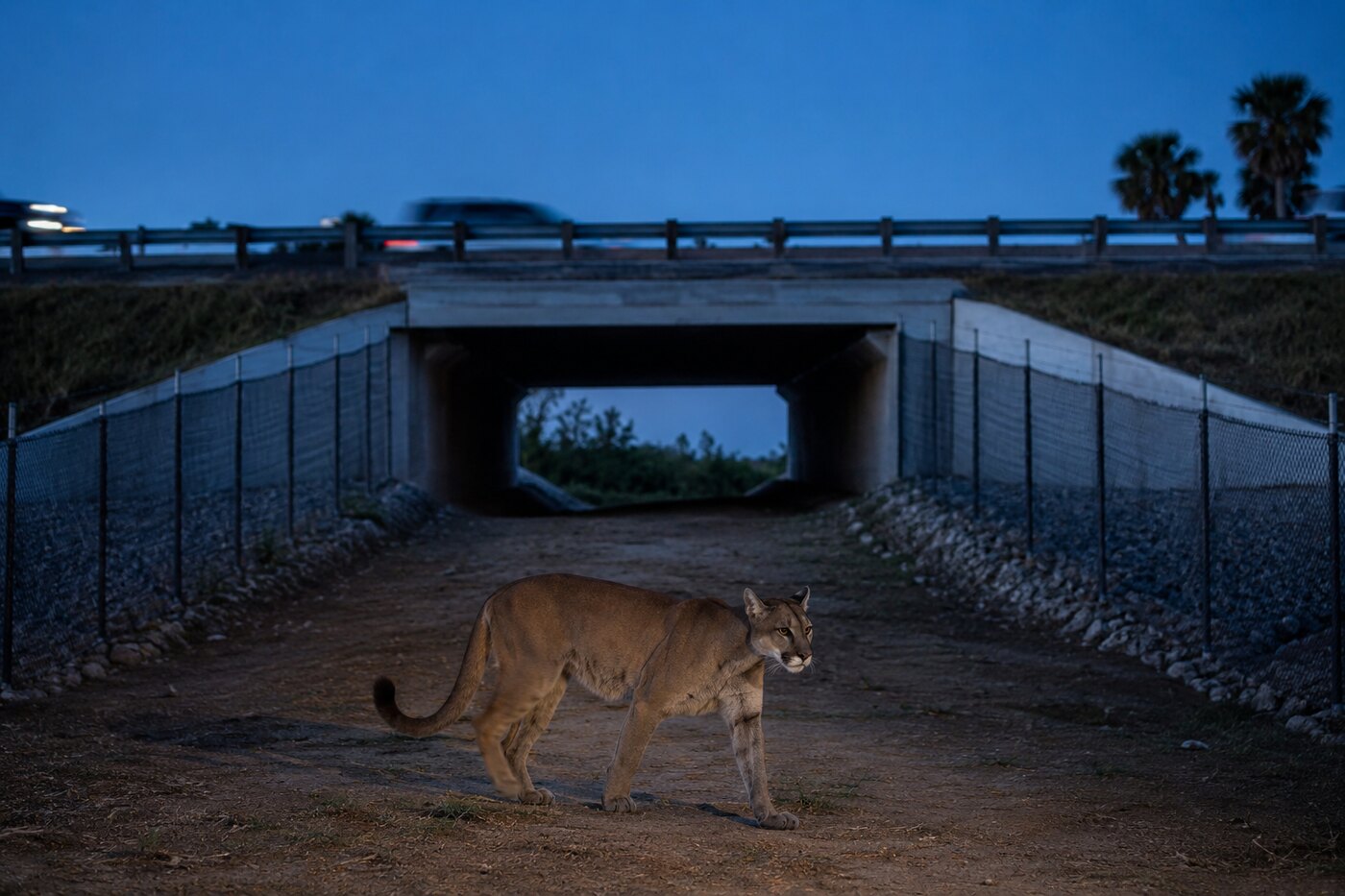
Florida has already demonstrated one way to reduce that danger. When Alligator Alley was converted into Interstate 75, officials completed 24 wildlife crossings and modified 12 other bridges for panther use along a 40-mile stretch. Continuous fencing helps guide animals toward the safer passages.
A recovery that remains fragile
The panther’s survival is one of the country’s significant wildlife recovery stories. In 1995, eight female panthers from Texas were released in South Florida to improve the isolated population’s genetic health. State and federal wildlife agencies credit that intervention with reducing signs of inbreeding and helping the population grow.
But recovery does not mean security. Protecting panthers now requires enforcing laws against unlawful take, preserving connected forests and wetlands, and expanding road designs that allow wildlife to move without entering traffic.
A population numbering only in the low hundreds can still lose decades of progress. Keeping Florida panthers alive therefore depends not only on preventing deliberate harm, but also on protecting the landscape they need to remain wild.
Sources
- Florida Fish and Wildlife Conservation Commission — Florida Panther Program
- FWC — Florida Panther Genetics
- FWC — Panther Pulse: documented births and deaths
- FWC — Wildlife Crossings
- Florida Statutes § 379.4115
- 50 C.F.R. § 17.21 — Federal prohibitions
- 16 U.S.C. § 1540 — Penalties and enforcement
