
Indonesia has formally ordered elephant-riding performances to end at conservation institutions nationwide, replacing a long-standing wildlife-tourism attraction with a model centered on animal welfare, education and observation.
The change comes through Circular Letter No. 6 of 2025, signed on December 18, 2025, by the Ministry of Forestry’s Directorate General of Natural Resources and Ecosystem Conservation (KSDAE). The official KSDAE announcement says mounted-elephant performances at conservation institutions are no longer consistent with wildlife protection, ethical management or animal-welfare principles.
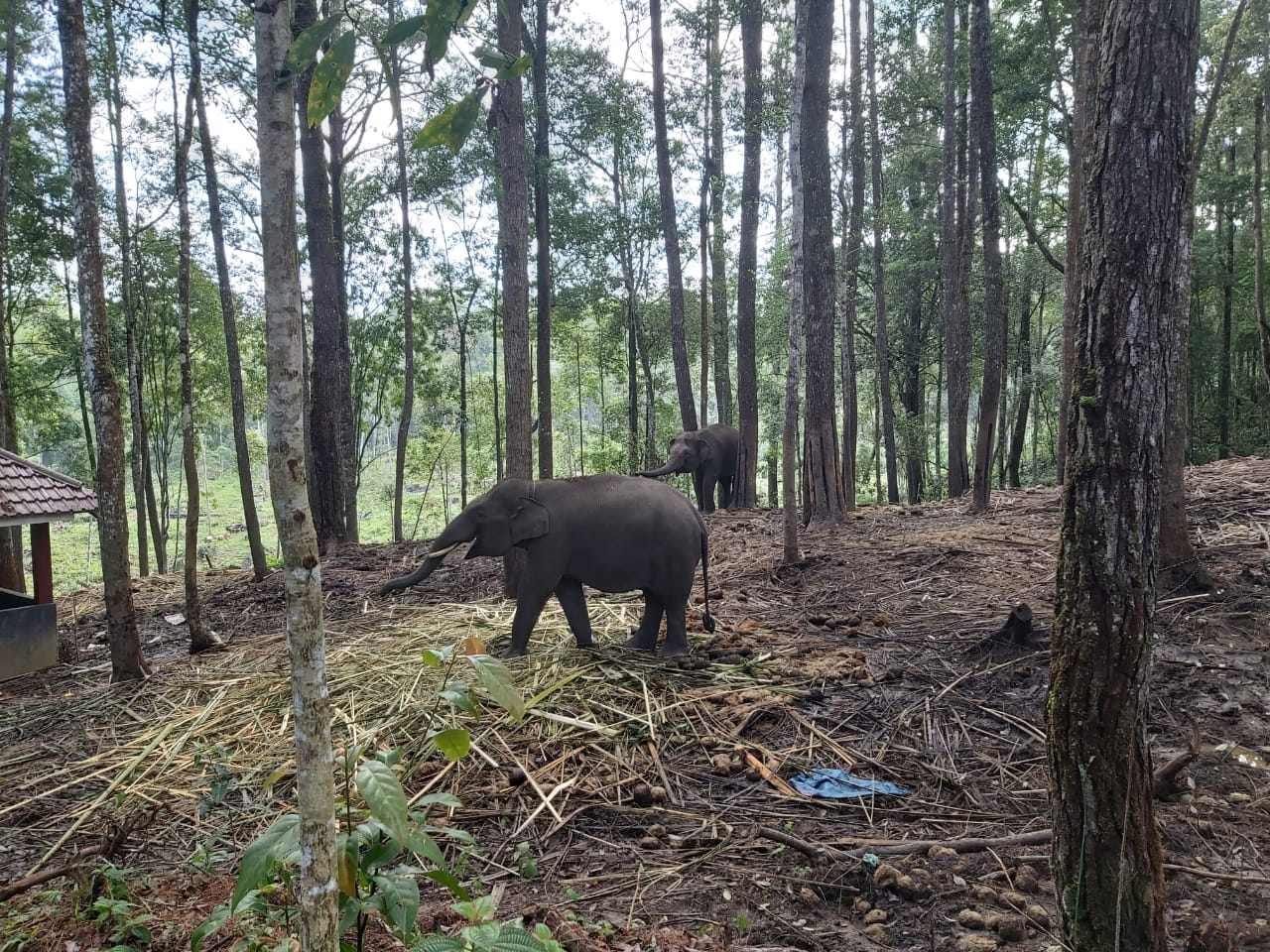
A nationwide directive with a defined scope
The policy is national, but its direct legal and administrative reach is important: it applies to conservation institutions that hold and manage elephants, including zoos and tourism-oriented conservation facilities. It is a ministerial circular enforced through the conservation-licensing system, rather than a separate law passed by Indonesia’s parliament.
That distinction does not make the policy symbolic. Indonesia’s state news agency Antara reported that Bali’s Natural Resources Conservation Agency warned facilities to comply and said permits could ultimately be revoked. The agency identified five conservation centers managing 83 Sumatran elephants in Bali at the end of 2025.
Enforcement can proceed through escalating warning letters. According to Forestry Ministry conservation officials quoted by Antara, a continuing violation can lead from a first warning to a second and third, with the final stage carrying the possibility of revoking the institution’s operating permit.
Bali attractions begin changing course
The transition became especially visible in Bali, one of Indonesia’s best-known wildlife-tourism destinations. Bali Zoo ended its elephant-riding program at the beginning of 2026. Mason Elephant Park, which continued offering rides after the directive, stopped on January 25 following official warnings, according to World Animal Protection.
The end of rides does not mean visitors can no longer see elephants. The government is urging institutions to replace mounted performances with conservation education, interpretation of natural behavior and observation without direct physical contact.
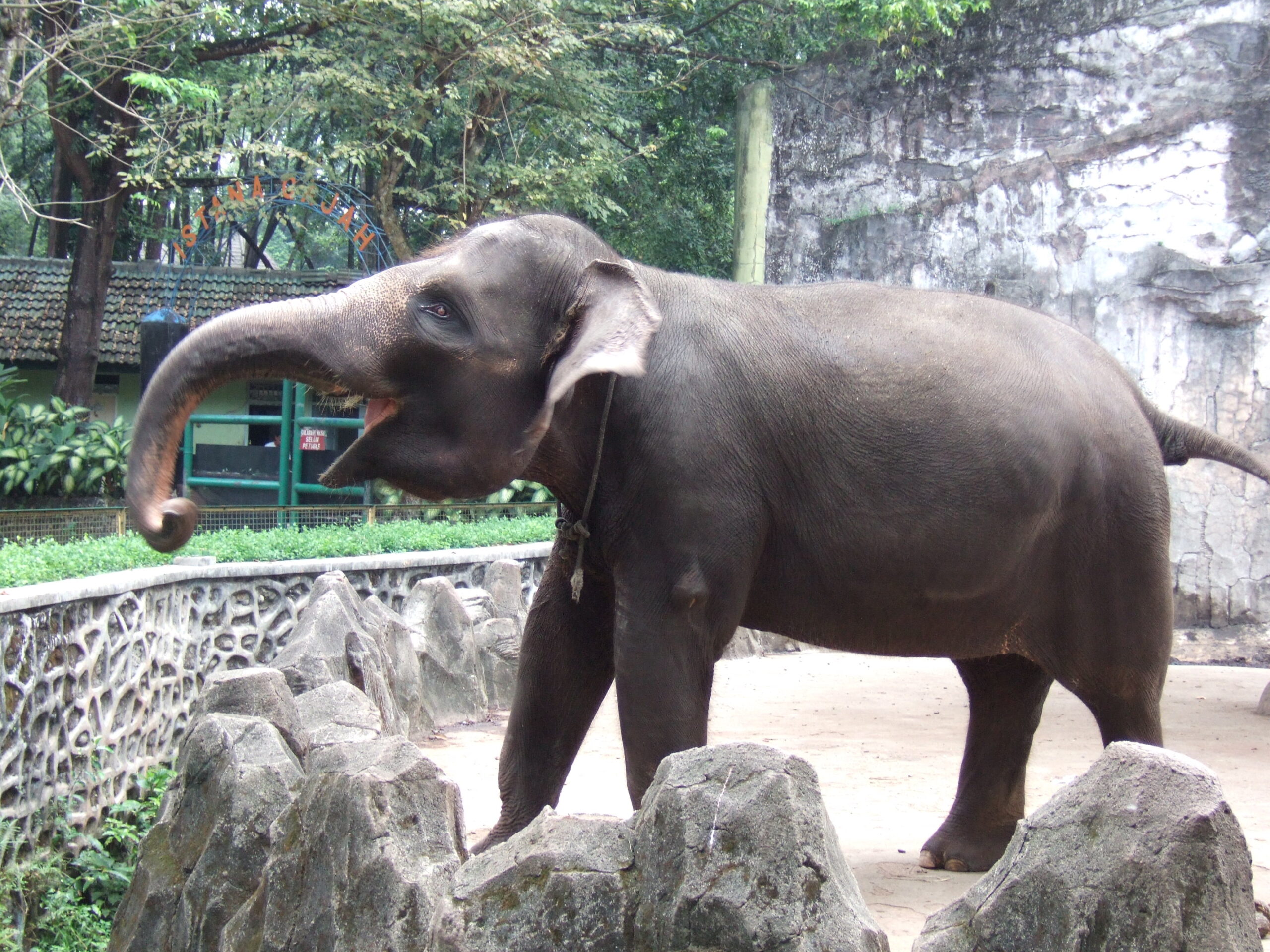
Why the change matters for elephants
Elephant riding has often been marketed as a close encounter with wildlife. Animal-welfare organizations argue that the public experience hides the intensive control needed to make an elephant accept saddles, passengers and repeated commands, while limiting opportunities for natural movement, choice and social behavior.
Indonesia’s decision is especially significant because the elephants managed by these institutions include Sumatran elephants, a protected subspecies facing severe pressure in the wild. The policy recognizes that keeping a threatened animal in a conservation facility should not automatically justify using that animal as a tourist ride.
Ending rides is not, by itself, a guarantee that every remaining elephant interaction will meet high welfare standards. Close-contact bathing, feeding and photo experiences may still deserve scrutiny depending on how elephants are trained and managed. But removing mounted performances creates a clear baseline: conservation should be built around the animals’ needs, not around turning their bodies into tourist attractions.
For travelers, the message is simple. Seeing an elephant can still be memorable without sitting on its back. Observation, education and respect can offer a wildlife experience without requiring the animal to carry the experience.
Sources
- Indonesia’s Directorate General of Natural Resources and Ecosystem Conservation
- Antara: Bali warns conservation centers over elephant-riding directive
- World Animal Protection: Indonesia ends elephant riding
