
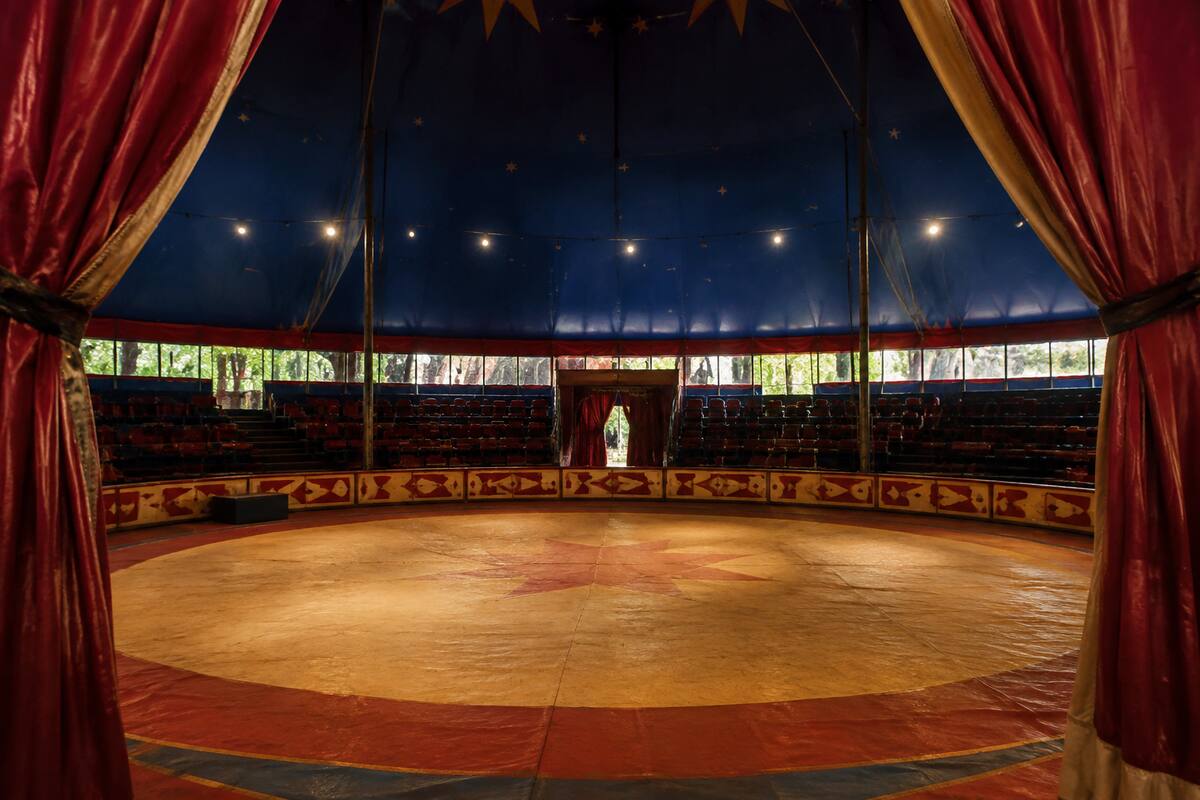
Hungary has adopted sweeping new rules that will end the use of wild animals in circus performances beginning January 1, 2027. The measure covers a broad range of species and also restricts the activities that allow wild-animal acts to continue or expand.
What Hungary’s new rules prohibit
Government Decree 124/2026 (VIII. 13.), published in the Hungarian Gazette on August 13, expands Hungary’s restrictions on circus menageries. From the effective date, circuses will be prohibited from acquiring, breeding, keeping, training, displaying or using listed wild animals in circus productions.
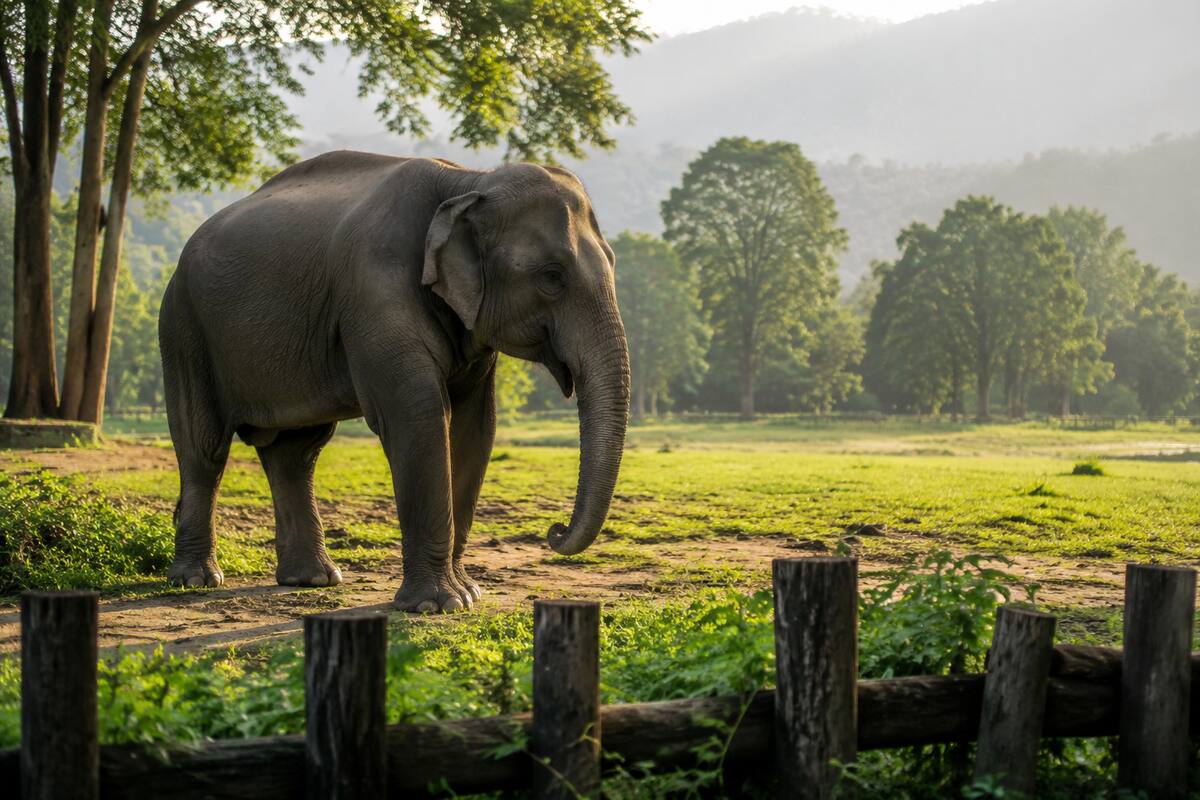
The covered list includes elephants, rhinoceroses, primates, big cats such as lions and tigers, bears, giraffes and hippopotamuses. Reports on the decree say it extends to 25 groups of wild animals, including seals, kangaroos, wild canids, birds of prey, reptiles classified as dangerous and certain hybrids.
The restrictions do not mean that every animal associated with a circus is covered. Domestic species, including horses, dogs, cats, donkeys and pigs, remain outside this particular ban. The measure is focused on wild animals whose physical and behavioral needs are difficult to reconcile with circus training, transport and public performance.
What happens to animals already in circuses
The decree uses a phase-out approach rather than requiring every existing animal to be removed immediately. Wild animals that were legally held before the rules take effect may remain at their current facilities and live out their lives there.
However, those animals will not be allowed to continue performing or to support the expansion of wild-animal acts. The new framework also blocks future acquisition and breeding, with a narrow transitional exception described in the government’s explanatory material for animals already covered by a valid breeding authorization until that authorization expires.
Why the change matters
The official explanation points to growing ethical and animal-welfare concerns surrounding the public display of wild species. It also notes that wild animals can be unpredictable and create serious safety risks, particularly in settings that do not have the same safeguards used by zoological institutions.
Hungarian officials said the reform responds to changing public expectations and to a wider European trend. Animal-welfare groups have welcomed the decision as a major step toward ending the use of wild animals for entertainment.
The new rules also address a loophole in the previous system. Hungary had maintained only partial restrictions, which could allow animals or foreign circuses to move into the country after facing stricter rules elsewhere. The decree is intended to prevent Hungary from becoming a destination for wild-animal circus operations displaced from other European countries.
For decades, elephants, big cats, bears and other animals have been transported, confined and trained to perform under bright lights and before large crowds. Beginning in 2027, Hungary’s policy will move those listed wild animals away from the circus ring. The transition will not instantly resolve every question about housing or long-term care, but it establishes a clear principle: wild animals should not be acquired or trained for circus entertainment.
Sources
- Hungarian Gazette explanatory material for Government Decree 124/2026
- Vegconomist report on the decree and transitional rules
- Species Unite report on Hungary’s circus-animal restrictions
- FOUR PAWS overview of circus-animal restrictions
