
Dolly Parton’s influence reached far beyond country music. After her death on August 25, 2026, at age 80, tributes have celebrated not only her songs and philanthropy, but also a quieter part of her legacy: decades of support for bald eagle conservation.
That story is closely tied to Dollywood and the American Eagle Foundation (AEF). Their partnership began in 1991 and grew into a long-running effort to care for non-releasable birds, return rehabilitated eagles to the wild and teach visitors why raptors and their habitats matter.
A 35-year partnership for bald eagles
The American Eagle Foundation has described its relationship with Dollywood as a 35-year conservation partnership. For years, visitors encountered bald eagles at the park’s Eagle Mountain Sanctuary and learned about threats facing the species. AEF says its work has helped release more than 400 bald eagles into the wild, while millions of Dollywood guests have been reached through wildlife education.
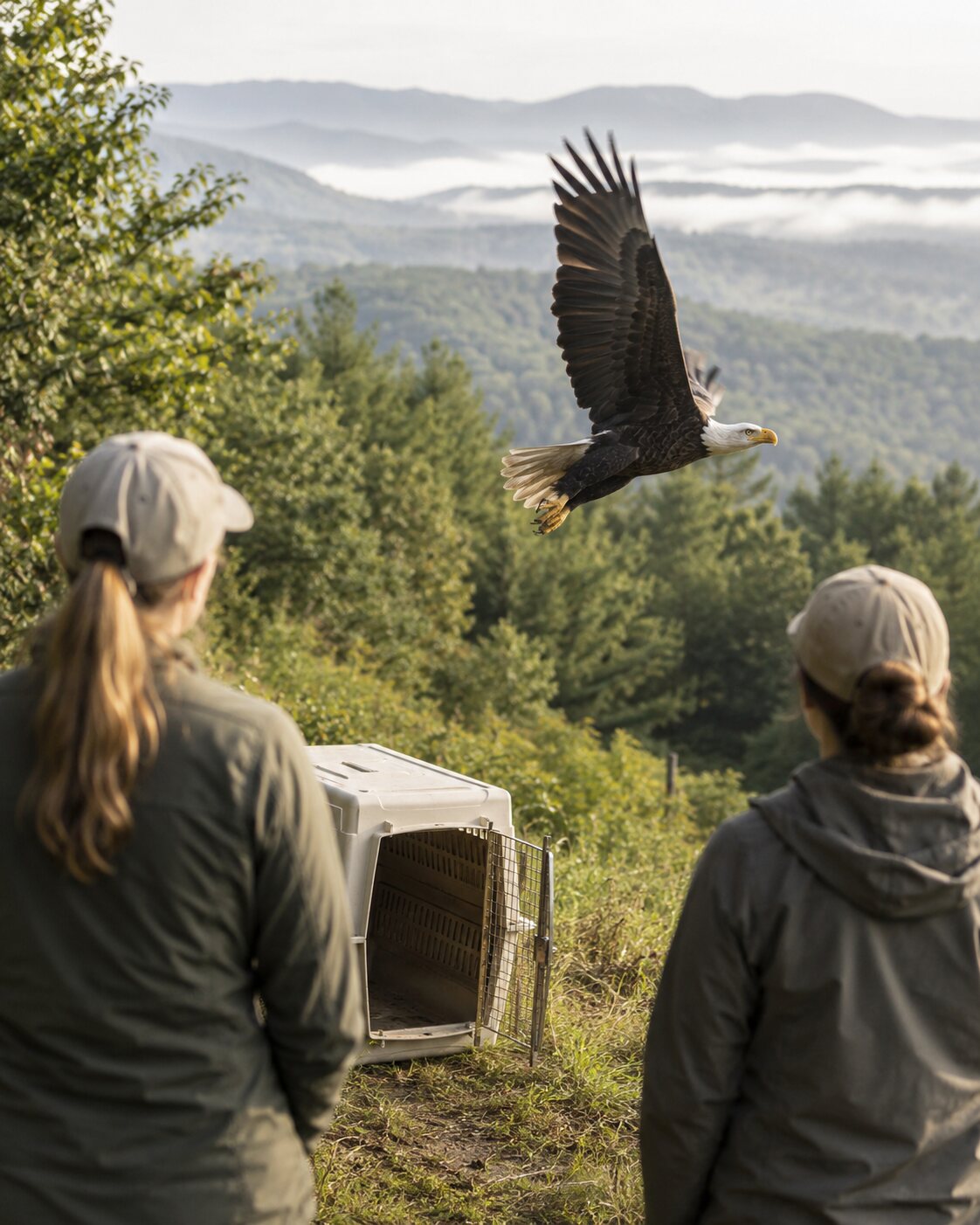
Those results belong to the foundation and the many wildlife professionals, donors and partners who sustained its programs. But Parton helped give that work a highly visible home. Her name and Dollywood’s audience introduced generations of families to birds they might otherwise have known only as a national symbol.
The federal government recognized her role in 2003. The U.S. Fish and Wildlife Service presented Parton with its Partnership Award for outstanding support of bald eagle conservation and the National Wildlife Refuge System. At the time, Dollywood had already sponsored AEF for more than a decade.
What the $6 million figure really means
A widely shared claim says Dolly Parton gave more than $6 million to wildlife. The documented version is more specific. According to reporting that cites the American Eagle Foundation, by 2012 Dollywood had contributed more than $6 million to AEF over roughly two decades. The support was associated with conservation, animal care and public education.
That is a significant commitment, but it should not be presented as a verified $6 million personal donation from Parton. It is also a historical figure reported in 2012, not a current lifetime total. The distinction matters because accurate credit strengthens the larger story rather than diminishing it: Parton used a major tourism business and her public platform to sustain conservation work over many years.
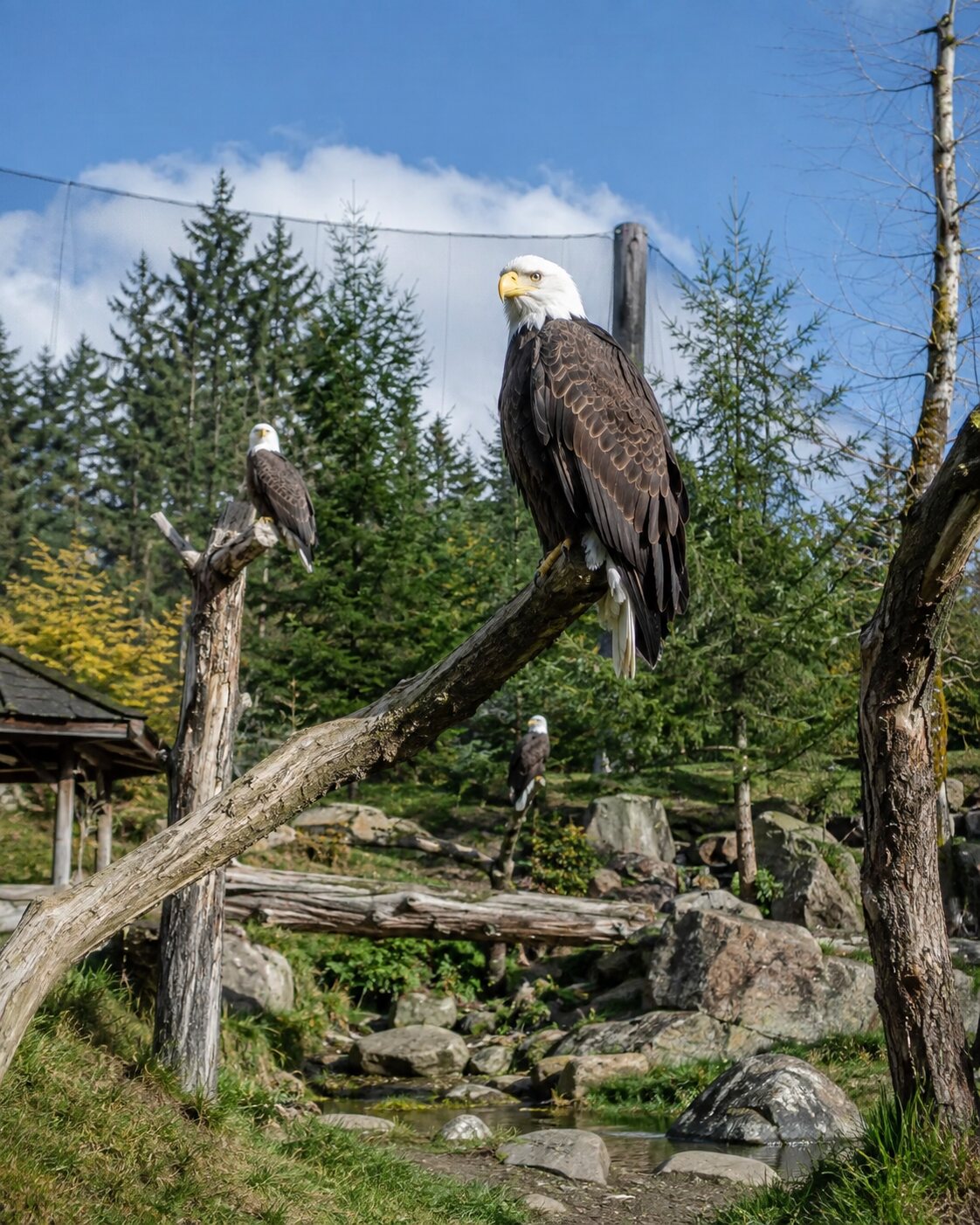
The partnership also helped care for bald eagles that could not safely survive in the wild because of permanent injuries or other limitations. Sanctuary care gave those birds a safe home while allowing visitors to understand why some rescued wildlife can be released and some cannot.
The conservation work continues
The physical setting has changed, but the partnership has not simply disappeared. After storm damage affected the sanctuary at Dollywood, resident eagles were moved to the American Eagle Foundation’s permanent campus in Kodak, Tennessee. AEF and Dollywood have said their relationship is continuing through educational programming, including a Birds of Prey experience at the park.
That continuation may be the most meaningful measure of Parton’s wildlife legacy. It was not a single photo opportunity or a one-time check. It became an institution-level relationship that endured for decades and connected animal care, releases and education.
Parton will always be remembered first as an entertainer whose voice reached around the world. Yet the bald eagles that returned to open skies, the birds given lifelong care and the visitors inspired to value wildlife are part of her story too.
Her example shows what celebrity can accomplish when attention is turned into sustained support. The music made Dolly Parton famous. The causes she chose to lift up—including the protection of America’s bald eagles—help explain why her legacy continues to soar.
Sources
- Dolly Parton official website: announcement of her death
- American Eagle Foundation: next chapter of the Dollywood partnership
- American Eagle Foundation: 2003 U.S. Fish and Wildlife Service Partnership Award
- Dollywood: conservation partnership overview
- World Animal News: reported historical $6 million figure
