
A dog alone in a parked car on a warm day may be facing a genuine emergency. The temperature inside a vehicle can rise rapidly even when the windows are cracked, putting animals at risk of heatstroke, organ damage and death.
But a well-intentioned rescue can also create legal and safety problems if a bystander immediately smashes a window. Good Samaritan protections for rescuing animals from vehicles vary by state, and they often require specific steps before a private citizen may use force.
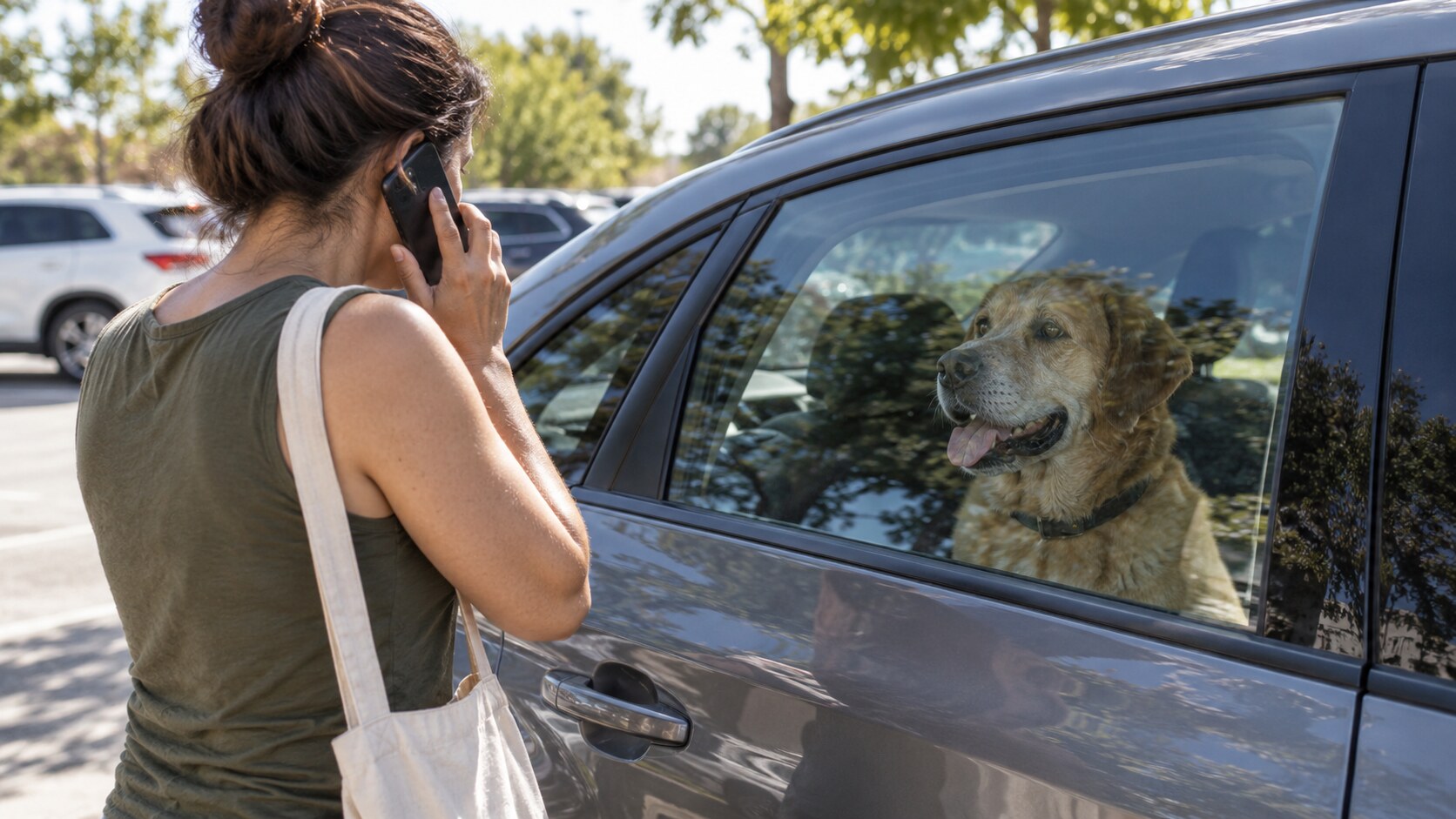
Why a parked car becomes dangerous so quickly
A vehicle acts like a heat trap. Sunlight enters through the glass and warms the dashboard, seats and other surfaces, while the enclosed air quickly becomes much hotter than the temperature outside.
The Humane Society of the United States warns that on an 85-degree day, the temperature inside a car can reach about 102 degrees within 10 minutes and 120 degrees within 30 minutes—even with the windows slightly open. Michigan State University College of Veterinary Medicine notes that a car can reach 99 degrees within 20 minutes when it is only 70 degrees outside.
Dogs cool themselves mainly by panting and have far fewer sweat glands than people. Warning signs of heat distress can include frantic or unusually heavy panting, excessive drooling, weakness, vomiting, confusion, collapse or loss of consciousness. A dog showing those signs needs urgent professional help.
Good Samaritan protections differ by state
There is no single nationwide rule giving every bystander an automatic right to break a car window. The Animal Legal Defense Fund explains that some states protect private citizens who rescue animals only under limited circumstances, while other laws apply primarily to police, firefighters or animal-control officers.
Where private-citizen immunity exists, conditions commonly include having a reasonable belief that the animal faces imminent danger, checking whether the vehicle is locked, contacting emergency services before entering, using no more force than necessary and remaining with the animal until authorities arrive. The exact requirements—and which animals are covered—depend on local law.
That means the safest first move is usually not to strike the glass. Call 911, local police or animal control, explain the animal’s condition and location, and follow the dispatcher’s instructions. If the car is outside a store, ask staff to page the owner while another person stays with the vehicle.
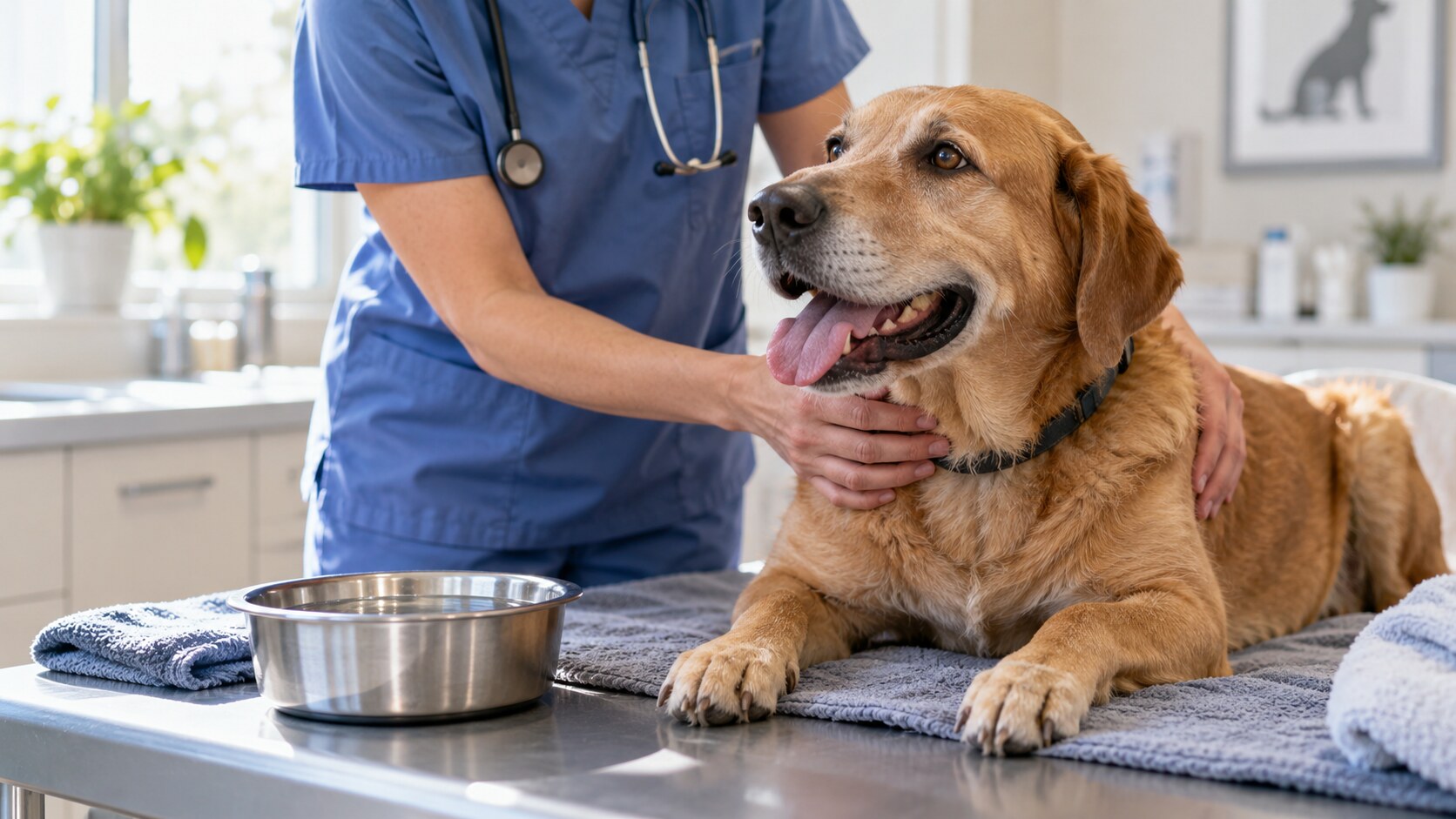
What to do when a dog appears trapped
First, assess the situation without putting yourself in traffic or another unsafe position. Note the vehicle’s make, model, color, license plate and exact location. Photograph or record the dog’s condition and the time, without delaying the emergency call.
Check whether a door is unlocked, but do not enter the vehicle unless authorities or applicable law authorize you to do so. If officials instruct you to intervene because the danger is immediate, use the least force necessary, avoid striking glass near the animal and remain at the scene.
Once the dog is out, move it to shade or air conditioning. Offer small amounts of cool—not ice-cold—water if the dog is conscious, and use cool wet towels while arranging veterinary care. Do not immerse an overheated dog in ice water, which can complicate cooling. The American Veterinary Medical Association advises never leaving a pet unattended in a vehicle when conditions can become unsafe.
The best rescue is prevention: leave pets safely at home when errands cannot accommodate them. And when a dog is already in danger, acting quickly still matters—but so does calling professionals, documenting what you see and following the law where you are.
Sources
- Animal Legal Defense Fund: Dogs in hot cars and state laws
- American Veterinary Medical Association: Pets in vehicles
- Humane Society of the United States: Hot-weather pet safety
- Michigan State University: Pet heat safety
