
Across parts of the United States, coyotes are still killed in organized contests that reward participants for taking the most animals, the largest animal or another winning category. To critics, these events cross a clear line: responding to a specific wildlife conflict is different from turning the deaths of native animals into a competition.
The rules vary by event and state, and the contests are not legal everywhere. A growing group of states has prohibited or restricted them, while legislative campaigns remain active elsewhere. That patchwork means sweeping claims that all contests are legal—or already banned nationwide—are both wrong.
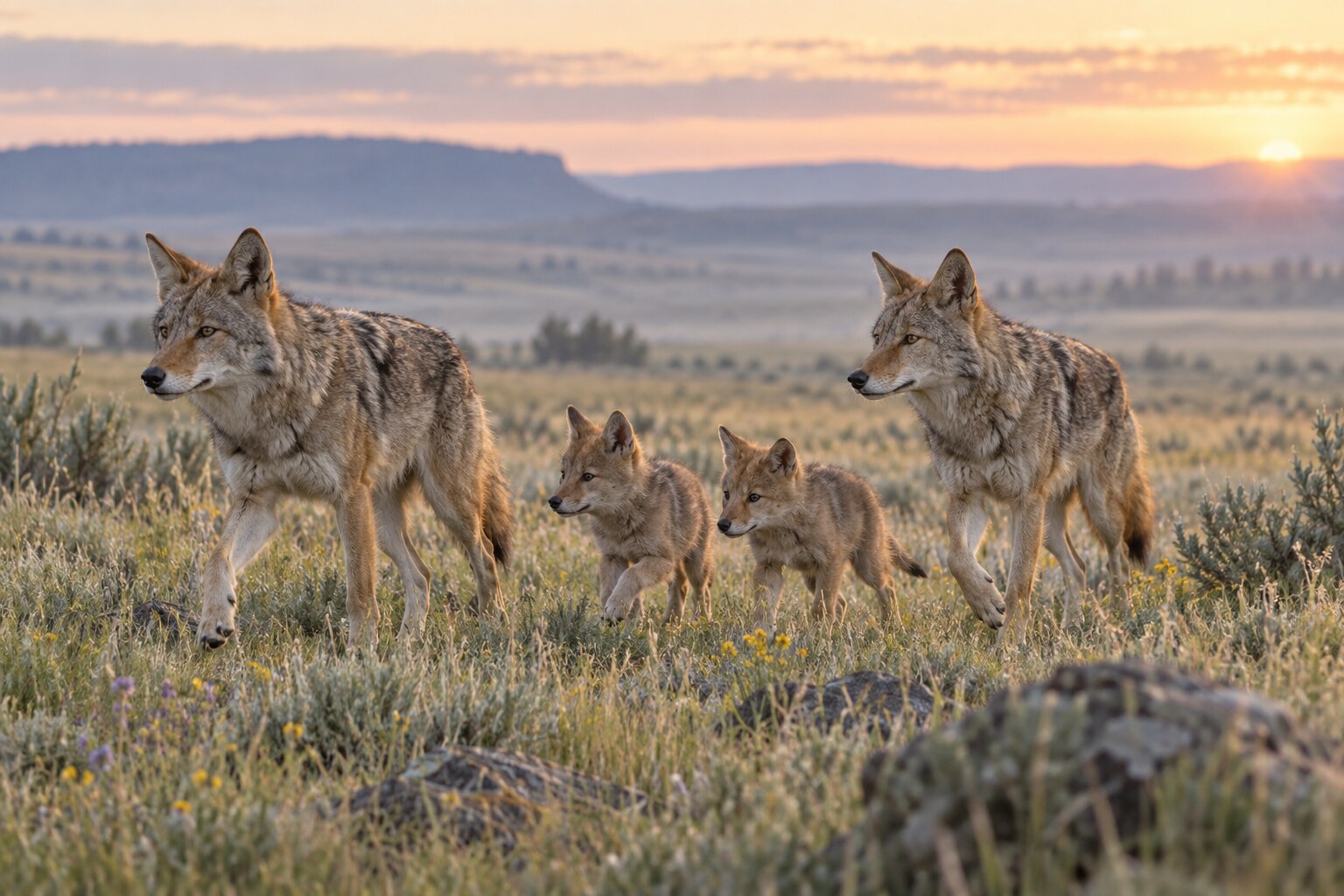
Coyotes are more than a target
Coyotes are adaptable native predators found across most of North America. They often live in pairs or family groups, defend territories and cooperate while raising pups. Their diet changes with location and season, but commonly includes rodents, rabbits, carrion, fruit and other available food.
That adaptability can bring coyotes into conflict with people. They may prey on livestock or pets, and habituated animals can create safety concerns around homes. Those situations deserve practical, case-specific responses.
But coyotes also perform ecological work. The U.S. Fish and Wildlife Service notes that predators such as coyotes help keep prey populations in check; without predators, rodent numbers can increase and disrupt grassland and prairie systems. That does not make every coyote harmless, but it does make the label “pest” an incomplete description of a complex wild animal.
What a killing contest changes
A wildlife killing contest is generally structured around prizes or recognition for categories such as the greatest number of animals killed or the heaviest individual. Coyotes, foxes and other native carnivores are common targets. Rules and reporting requirements differ, and not every event operates the same way.
The ethical concern is straightforward: prizes can encourage killing beyond what would be necessary to address a documented threat. An animal becomes a score, a weight or a route to a cash award rather than the subject of a targeted management decision.
Several states have acted against the practice through legislation or wildlife-agency rules. The Animal Legal Defense Fund tracks state restrictions, while the Animal Welfare Institute describes continuing campaigns to end contests that target coyotes and other species. Because this policy area continues to change, people should check their current state wildlife rules rather than rely on an old national count.
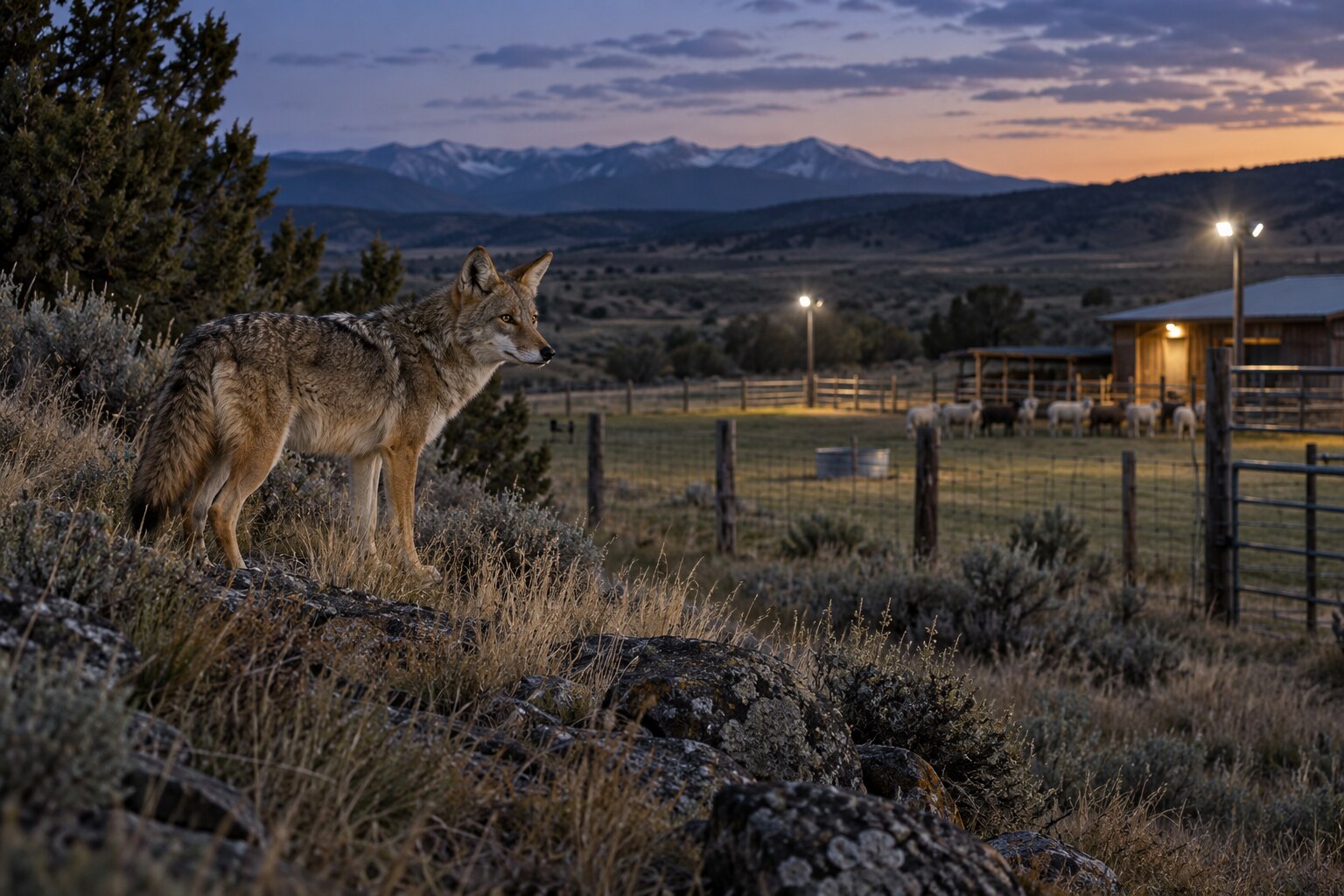
Real conflicts need targeted solutions
Questioning contests does not require pretending that livestock losses never happen. Farmers and ranchers can face serious economic and emotional consequences when animals are attacked. The strongest response begins by identifying the actual cause of a loss and focusing protection where risk is highest.
Depending on the operation, preventive tools can include secure night enclosures, carcass removal, fencing, lighting, guardian animals, human presence and other deterrents. No single method works everywhere, and lethal control may still be legal in specific circumstances. The important distinction is between a documented intervention and indiscriminate recreational killing.
Coyotes have survived sustained efforts to eliminate them and continue to adapt to rural, suburban and urban landscapes. Coexistence therefore is not a sentimental slogan; it is a practical question communities will keep facing.
People do not have to ignore legitimate safety or livestock concerns to reject the idea of wildlife deaths as entertainment. A coyote causing a specific problem can be managed under applicable law. A contest that treats the greatest pile of animals as a victory asks a very different moral and wildlife-management question.
Sources
- U.S. Fish and Wildlife Service: Predators and healthy ecosystems
- Animal Legal Defense Fund: Killing contests and the law
- Animal Welfare Institute: Wildlife killing contests
- National Caucus of Environmental Legislators: Killing contests fact sheet
